Prestigious Custom Cabinets

Kitchen Cabinet Painting

how to paint a bathroom vanity
Custom Cabinets, Kitchen Cabinet Painting

How to Paint a Bathroom Vanity | Step-by-Step

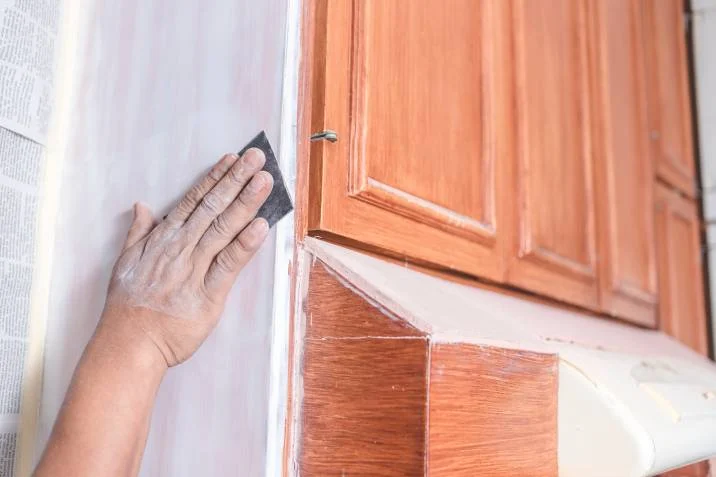
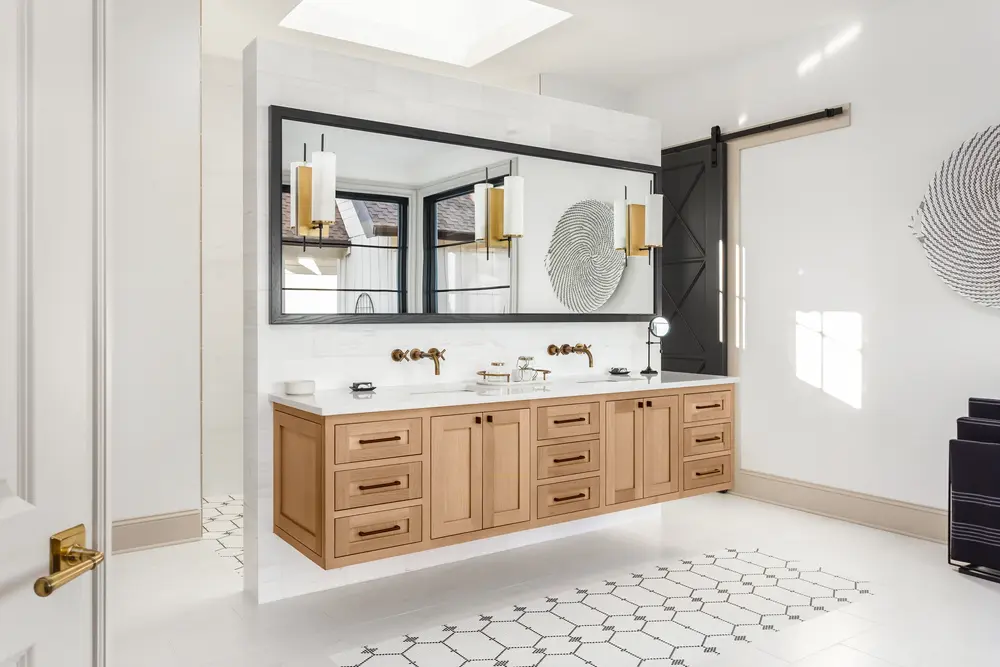
Your bathroom vanity takes a beating every single day. Water, steam, and daily use leave it looking worn and dated. The good news? You don’t need to spend thousands on a replacement. A fresh coat of paint can make it look brand new, and you can do it yourself over a weekend. Learning how to paint a bathroom vanity is easier than most people think. With the right prep work, the right products, and a little patience, you’ll get a finish that holds up for years. This guide walks you through every single step, from removing the hardware all the way to reinstalling the doors. Why Paint a Bathroom Vanity Instead of Replacing It A new vanity costs anywhere from $300 to $2,000 or more, and that’s before installation. Painting a bathroom vanity cabinet runs about $50 to $150 in materials. That’s a massive difference. Beyond cost, painting gives you total control over the color and finish. Want matte navy? Done. A warm white that matches your tile? Easy. You’re not stuck choosing from whatever the store has in stock. There’s also the environmental side. Replacing a functional vanity sends perfectly good wood or MDF to a landfill. Painting it gives it a second life. Here are the main reasons homeowners choose to paint instead of replace:       Cost savings of 80% or more compared to replacement       Complete control over color and finish       Project typically done in one weekend       No need to hire a contractor       Less waste and disruption to your home Tools and Materials You’ll Need Getting the right supplies before you start makes a big difference. Don’t try to skip the primer or grab a cheap brush. The prep and materials are what separate a professional-looking painted bath vanity from a messy one that chips in six months. Tools       Screwdrivers (flathead and Phillips)       Sanding block or orbital sander       120-grit and 220-grit sandpaper       Tack cloth or microfiber cloths       Painter’s tape       Drop cloth or plastic sheeting       High-density foam roller (4-inch)       Angled synthetic bristle brush (2-inch)       Small container for paint       Putty knife Materials       TSP substitute cleaner or degreaser       Wood filler or spackling compound       Bonding primer (shellac-based or oil-based)       Cabinet or trim paint (latex or alkyd)       Clear topcoat or polyurethane (optional but recommended)       Mineral spirits or paint thinner (if using oil-based products) Quick tip: For a painted bathroom vanity cabinet, always choose a paint labeled for cabinets or trim. Regular wall paint is too soft and will scratch easily in high-moisture areas. Preparing the Bathroom Vanity This is where most DIYers cut corners, and it always shows later. Good prep work is the foundation of a finish that actually lasts. Remove Doors, Drawers, and Hardware Take off all cabinet doors and drawer fronts. Remove hinges, knobs, and pulls. Label everything with painter’s tape and a marker so you know exactly what goes where during reassembly. Lay the doors flat on your drop cloth in a well-ventilated space. Painting them flat prevents drips and gives you a much smoother finish. Set Up Your Work Area Cover the floor, sink, and countertop with plastic sheeting. Use painter’s tape to protect the wall edges, mirror frame, and any hardware you can’t remove. Good masking saves you an enormous amount of cleanup later. Cleaning and Sanding the Surface A clean surface is a must. Any grease, soap residue, or grime will prevent the primer from sticking properly. Mix TSP substitute with warm water and scrub every surface you plan to paint. Pay special attention to around the handles and near the sink where buildup is worst. Rinse with clean water and let everything dry completely, at least an hour. Once dry, sand the entire surface with 120-grit sandpaper. You’re not trying to strip the finish. You just want to scuff it up so the primer has something to grip. Sand with the grain on wood. On MDF or laminate, use light circular motions. After sanding, wipe everything down with a tack cloth. This removes the fine dust that would otherwise get trapped under your paint and create a bumpy, rough finish. Don’t skip this step. Repairing and Filling Imperfections Now that the surface is clean and scuffed, take a close look at it. Look for dings, gouges, old hardware holes you’re not using, or any cracks. Fill these with wood filler or spackling compound using a putty knife. Apply a small amount, press it in firmly, and scrape off the excess. Let it dry completely per the product label directions. Once dry, sand those filled spots smooth with 120-grit, then finish with 220-grit for a seamless surface. Wipe with a tack cloth again before moving to the primer. Priming the Vanity Do not skip the primer. This is probably the single most important step when painting a bathroom vanity. In a high-humidity environment like a bathroom, standard paints will peel without a strong bonding base. Use a shellac-based primer like Zinsser BIN or an oil-based bonding primer for the best adhesion on wood, MDF, or laminate surfaces. Apply the primer with a foam roller on flat surfaces and a brush on edges and details. Work in thin, even coats. One coat of primer is usually enough, but if you’re painting over a dark stain or raw MDF, two coats gives better coverage and block-out. Let the primer dry fully. Check the label, but most need at least an hour before sanding. Once dry, lightly sand with 220-grit sandpaper to knock down any bubbles or brush marks. Wipe with a tack cloth. Choosing the Right Paint The paint you choose matters as much as the prep work when you’re painting bathroom vanity cabinets. You
how long does it take to paint kitchen cabinets
Custom Cabinets, Kitchen Cabinet Painting, Uncategorized

How Long Does It Take to Paint Kitchen Cabinets? (2026 Guide)

Painting kitchen cabinets is one of the best ways to refresh your kitchen without a full renovation. It costs far less than replacement and gives you a clean, updated look. Most people are surprised by how much time the whole process actually takes from start to finish. If you are planning a cabinet project, knowing how long does it take to paint kitchen cabinets helps you plan realistically. The short answer is 3 to 7 days for most kitchens. But the exact timeline depends on your kitchen size, the paint you use, and whether you hire a professional or do it yourself. Quick Answer: How Long Does It Take to Paint Kitchen Cabinets? Here is a simple breakdown before we go deeper: Method Estimated Time DIY (small kitchen) 3 to 5 days DIY (medium kitchen) 5 to 7 days DIY (large kitchen) 7 to 10 days Professional (small kitchen) 1 to 2 days Professional (medium kitchen) 2 to 4 days Professional (large kitchen) 3 to 5 days These ranges include all steps: removal, cleaning, sanding, priming, painting, drying, and reinstallation. They do not include cure time, which we cover separately below. Average Time to Paint Kitchen Cabinets (DIY vs Professional) The gap between DIY and professional timelines is real and worth understanding before you decide which route to take. A DIY project moves slower for three main reasons. First, you are likely working alone or with one helper. Second, consumer-grade paints take longer to dry between coats. Third, you may need to stop and learn as you go, especially if this is your first cabinet project. Professionals work faster because they use commercial-grade spray equipment, fast-curing waterborne alkyds, and have a practiced workflow. A two-person professional crew can prep, prime, and spray a medium kitchen in the time it takes a DIYer just to finish the prep stage.  Step-by-Step Timeline for Painting Kitchen Cabinets Here is how a full cabinet painting project breaks down day by day for a medium kitchen (20 to 25 cabinets) done by one person. Day Task Time Required Day 1 Remove doors, drawers, and hardware. Label everything. 2 to 4 hours Day 1 Clean all surfaces with degreaser. Sand lightly. 3 to 5 hours Day 2 Apply first coat of primer. Let dry. 3 to 4 hours + drying Day 3 Sand primer coat. Apply second primer coat if needed. 2 to 3 hours Day 3-4 Apply first topcoat of paint. Let dry fully. 3 to 4 hours + drying Day 5 Lightly sand. Apply second topcoat. 3 to 4 hours + drying Day 6-7 Final inspection, touch-ups, reinstall doors and hardware. 3 to 5 hours This is a realistic timeline, not an optimistic one. Many online guides show 2-day timelines that skip drying time completely. That leads to soft, easily scratched paint that fails within months. How Long Does Each Step Take? (Detailed Breakdown) Removal and Labeling — 2 to 4 Hours Take off every door, drawer front, and piece of hardware. Label the back of each door with a pencil so you know exactly where it goes back. Skipping labels wastes time during reinstallation. Cleaning and Degreasing — 2 to 4 Hours This is the most important prep step. Kitchen cabinets collect grease, cooking residue, and dust over years. Paint will not stick to a greasy surface, no matter how good the primer is. Use a TSP substitute or a dedicated cabinet degreaser. Wipe every surface twice: once to remove grease, once to remove the cleaner residue. Sanding — 1 to 3 Hours Sand the cabinet boxes and doors with 120 or 150 grit sandpaper. You are not trying to strip the old finish. You are scuffing the surface so the primer has something to grip. Wipe off all dust with a tack cloth before moving on. Priming — 2 to 4 Hours Plus Drying Time Primer application takes 2 to 4 hours depending on your kitchen size. Drying time adds another 1 to 3 hours depending on the product. Shellac-based primers dry fastest. Water-based primers take longer but have less odor. Most cabinets need one primer coat. Cabinets with heavy staining or dark original color may need two. Painting — 2 to 4 Hours Per Coat Most cabinet projects require two topcoats of paint. Each coat takes 2 to 4 hours to apply across doors, drawer fronts, and boxes. Then you wait. Water-based paints dry in 2 to 4 hours between coats. Oil-based paints need 6 to 8 hours or overnight. Plan for at least two painting sessions with full drying time in between. Reinstallation — 2 to 4 Hours Once paint is dry to the touch, you can reinstall doors and hardware. Allow at least 24 hours after the final coat before hanging doors. Be gentle during reinstallation. Even dry paint is not fully hard yet, and door edges can scuff easily. Factors That Affect Cabinet Painting Time Several variables can push your timeline shorter or longer. Understanding them helps you plan better. Number of Cabinets More cabinets mean more surface area to clean, sand, prime, and paint. A kitchen with 12 cabinets may take 3 days. A kitchen with 35 cabinets can take 8 to 10 days for a single DIYer. Cabinet Condition Cabinets in poor condition take more time. Grease-heavy surfaces need multiple cleaning passes. Old peeling paint needs extra sanding or stripping. Minor damage like chips or dents needs filler and additional drying time before paint can go on. Paint Type This is a major time factor. Oil-based paints produce a very hard, durable finish but require 6 to 8 hours of drying between coats. Waterborne alkyds dry in 2 to 4 hours. Acrylic enamel is the fastest, often ready for a second coat in 1 to 2 hours in good conditions. Application Method Brush and roller application is slower than spray. Spray finishing is faster per coat but requires 30 to 60 minutes of setup and masking to protect the kitchen from overspray. For large kitchens,

how to clean painted kitchen cabinets
Kitchen Cabinet Painting

How to Clean Painted Kitchen Cabinets (Ultimate Guide for a Spotless & Long-Lasting Finish)

Painted kitchen cabinets can completely transform your kitchen, but keeping them clean without damaging the finish is where many homeowners struggle. If you’ve ever wondered how to clean painted kitchen cabinets without dulling the paint or leaving streaks, you’re not alone. At Prestigious Custom Cabinets, we’ve seen how improper cleaning shortens the life of painted surfaces.  From grease buildup to fading, small mistakes can lead to costly repairs. Understanding the right way of cleaning painted cabinets protects your investment. This guide shares the best way to clean painted kitchen cabinets using simple, safe methods that work in real homes. Why Cleaning Painted Kitchen Cabinets the Right Way Matters What Happens When You Use the Wrong Cleaning Methods Using harsh chemicals or abrasive scrubbers might seem effective at first, but they can slowly break down the painted surface. Over time, this leads to dull spots, peeling, or discoloration especially on high-touch areas like cabinet handles. How Grease, Dirt, and Moisture Damage Cabinet Paint Kitchen cabinets naturally collect grease from cooking. When mixed with dust and moisture, this creates a sticky layer that clings to painted surfaces. If not cleaned properly, it can stain the paint and make cabinets look aged. Based on real project experience at Prestigious Custom Cabinets, grease buildup is one of the most common reasons painted cabinets lose their original look much faster than expected. Benefits of Proper Cleaning and Maintenance When you follow the right approach to how to clean painted cabinets, you: Maintain a smooth, clean finish Extend the lifespan of the paint Prevent buildup that leads to damage Keep your kitchen looking fresh and hygienic What You Need Before Cleaning Painted Cabinets Essential Tools and Supplies (Safe for Painted Surfaces) Before starting, gather the right materials: Soft microfiber cloths Mild dish soap Warm water Soft sponge Dry towel These are safe and effective for cleaning painted cabinets without causing damage. Best Cleaners for Painted Kitchen Cabinets The safest option is a simple mix of warm water and a few drops of dish soap. It’s gentle yet effective for everyday cleaning. For tougher spots, a diluted vinegar solution can work but always test first. If you’re wondering about the best way to clean painted kitchen cabinets, keep it simple. Avoid overcomplicating with strong chemicals. Cleaning Tools and Products to Avoid Avoid: Abrasive scrubbers Bleach-based cleaners Ammonia products Steel wool These can scratch or strip the paint, especially on painted wood cabinets. Step-by-Step: How to Clean Painted Kitchen Cabinets Properly Step 1: Dust and Remove Loose Dirt Start by wiping down cabinets with a dry microfiber cloth. This removes surface dust and prevents scratches during cleaning. Step 2: Mix a Gentle Cleaning Solution Combine warm water with a small amount of dish soap. This solution works well for how to clean painted kitchen cupboards safely. Step 3: Wipe Cabinets with a Soft Cloth Dip a cloth into the solution, wring it out, and gently wipe the cabinets. Avoid soaking the surface. Step 4: Clean Greasy Areas (Handles, Edges, Corners) Focus on areas where grease builds up the most. These spots often need extra attention during cleaning painted cabinets. Step 5: Rinse with a Damp Cloth Use a clean, damp cloth to remove any soap residue. This step prevents streaking. Step 6: Dry Immediately to Protect the Paint Always dry cabinets with a soft towel. Moisture left behind can damage painted finishes over time. How to Remove Grease from Painted Kitchen Cabinets Safe Degreasing Methods That Won’t Damage Paint Grease is the biggest challenge in kitchen cleaning. A mild dish soap solution is often enough. For heavier buildup, use a slightly stronger mix but stay gentle. Dish Soap vs Vinegar | Which One Is Better? Dish soap is safer for regular use. Vinegar can help cut grease but may dull certain finishes if overused. For how to clean painted wood cabinets, dish soap is usually the better choice. How to Clean Stubborn or Sticky Grease Buildup Apply the cleaning solution, let it sit for a minute, then wipe gently. Avoid scrubbing aggressively. Patience is key when dealing with stubborn grease. Deep Cleaning Painted Cabinets (When & How to Do It) When Your Cabinets Need Deep Cleaning If cabinets feel sticky even after cleaning or show visible buildup, it’s time for a deeper clean. Step-by-Step Deep Cleaning Process Remove surface dust Apply a slightly stronger cleaning solution Clean in sections Rinse and dry thoroughly Areas Most People Miss During Deep Cleaning Cabinet tops Hinges and edges Around handles These hidden spots often collect the most grime. Natural vs Commercial Cleaners | What Works Best? Advantages and Limitations of Natural Cleaners Natural cleaners like vinegar are affordable and accessible. However, they may not always be suitable for delicate painted finishes. When to Use Store-Bought Cabinet Cleaners Commercial cleaners can be helpful for heavy-duty cleaning. Just ensure they are labeled safe for painted surfaces. Harmful Ingredients You Should Always Avoid Stay away from strong solvents and harsh chemicals. These can damage the paint and reduce cabinet lifespan. What Not to Do When Cleaning Painted Cabinets Avoid Harsh Chemicals and Abrasive Materials These can strip paint and leave permanent marks. Why Excess Moisture Can Ruin Cabinet Finish Too much water can seep into seams and cause swelling or peeling. Common Cleaning Mistakes to Avoid Scrubbing too hard Using too much cleaner Skipping the drying step How Often Should You Clean Painted Kitchen Cabinets? Daily, Weekly, and Monthly Cleaning Routine Daily: Light wipe for spills Weekly: General cleaning Monthly: Deeper cleaning Signs Your Cabinets Need Immediate Cleaning Sticky surfaces, visible grease, or dull appearance are clear signs. Preventative Maintenance Tips to Keep Cabinets Clean Longer How to Prevent Grease Buildup in the Kitchen Use exhaust fans while cooking and wipe spills immediately. Simple Habits That Extend Cabinet Life Regular light cleaning prevents heavy buildup later. Protective Coatings and Finishes | Do They Help? Yes, they can add an extra layer of protection, especially for high-use kitchens. You may also read: What Is

what is the best paint for kitchen cabinets​
Custom Cabinets, Kitchen Cabinet Painting

What Is the Best Paint for Kitchen Cabinets | Top Picks

Painting your kitchen cabinets is one of the smartest upgrades you can make. It costs far less than a full remodel. But if you pick the wrong paint, you’ll deal with peeling, chipping, and a finish that looks worn within months. So, what is the best paint for kitchen cabinets? In short: a water-based alkyd or urethane enamel. It gives you a hard, durable finish, dries faster than oil, and cleans up easily. This guide breaks it all down so you can make the right call. Why Choosing the Right Paint for Kitchen Cabinets Matters Cabinets take a beating. Heat from cooking, grease, moisture from the sink, and daily touching all wear down a bad finish fast. Regular wall paint won’t hold up. You need paint made for trim and hard surfaces. The wrong paint cracks. It yellows. It peels near the hinges. And you end up repainting within a year. The right cabinet paint bonds hard, resists moisture, and stays clean with a simple wipe. It’s a completely different product built for a different job. What Is the Best Paint for Kitchen Cabinets? The top choice among professional painters and cabinet specialists is urethane trim enamel. It’s tough, smooth, and holds up against the daily wear of kitchen cabinets. Here’s what makes it stand out from regular paint: It cures into a hard shell. That hardness means it resists scratches and dings. It also cleans easily without breaking down the finish. For cabinets painted in white or light colors, it resists yellowing too. The two most recommended types are: Water-based alkyd enamel and urethane trim enamel. Both level out well, leaving a smooth surface. Both dry firm. And both can be used with a brush, roller, or sprayer. For most homeowners, Sherwin Williams Emerald Urethane Trim Enamel is the top pick. It performs like an oil paint but cleans up with water. It’s what many pros reach for on high-end cabinet jobs. You can read about: How Much Does It Cost to Paint Kitchen Cabinets Oil vs Water-Based Paint: Which Is Better for Cabinets? This is one of the most common questions about kitchen cabinet paint. Here’s a clear breakdown: Oil-based paint was the standard for decades. It levels beautifully and dries hard. The downsides? It takes 24+ hours to dry between coats. It yellows over time, especially in low-light areas. Cleanup requires mineral spirits or paint thinner. Water-based enamel has closed the gap in quality. Modern formulas like urethane-modified latex dry faster, clean up with water, and resist yellowing. They’re also lower in VOCs, which matters in an enclosed kitchen. For most homeowners today, water-based urethane or alkyd enamel is the better choice. You get nearly the same hardness as oil without the mess, the smell, or the long dry time. The one case where oil still makes sense: refinishing very old cabinets with existing oil-based coats already on them. In that case, you want to stick with oil for better adhesion. How and Why to Use Sherwin-Williams Emerald Urethane Trim Enamel Sherwin Williams Emerald Urethane Trim Enamel is one of the best cabinet enamel paints on the market. Here’s why professionals and serious DIYers use it: It self-levels. Brush marks and roller texture flatten out as it dries. You get a smooth finish without spraying. It is extremely hard. After a full cure (about 7 days), the surface resists dents, scratches, and scuffs well. It’s available in any color. You’re not locked into stock shades. Any Sherwin Williams color can be mixed into it. It’s water-based. Cleanup is easy. Dry time between coats is around 4 hours. How to use it: Start with clean, degreased, and sanded cabinets. Apply a bonding primer first. Then apply two coats of the urethane enamel, sanding lightly between coats with 220-grit paper. Allow full cure time before heavy use. One tip: don’t think about it too much. Slight thinning (10% water max) can help with spraying, but over-thinning weakens the finish. Other Popular Cabinet Paint Options to Consider If Sherwin Williams isn’t available near you, here are other strong options for paint for kitchen cabinets: Benjamin Moore Advance is a water-based alkyd that levels well and dries hard. It’s a favorite among professional painters who want an oil-like finish without the hassle. Rust-Oleum Cabinet Transformations is a kit-based option for budget-conscious homeowners. It’s not as durable as urethane enamels, but it works for low-traffic kitchens. Behr Alkyd Semi-Gloss Enamel is available at Home Depot. It performs well and costs less than premium options. Good for a DIY budget project. General Finishes Milk Paint is popular for a matte, furniture-style look. It’s durable and top-coat compatible, but needs sealing for kitchen use. What Sheen Is Best for Kitchen Cabinets? Sheen matters more than most people think. It affects how the cabinets look and how easy they are to clean. Matte vs Satin vs Semi-Gloss vs High-Gloss: What to Choose Matte: Looks beautiful but shows every fingerprint and grease smear. Hard to wipe clean. Not recommended for kitchen cabinets unless you’re prepared to clean them constantly. Satin: The most popular sheen for cabinets. Soft glow, easy to wipe, hides minor surface flaws. Great all-around choice. Semi-Gloss: More reflective than satin. Very easy to clean. Works great in kitchens. Shows surface imperfections more, so prep work matters more with this sheen. High-Gloss: The shiniest option. Very durable and easy to clean. It looks modern and crisp but shows every brush mark, dust particle, and cabinet flaw clearly. Best applied by spray. Our recommendation: Satin or semi-gloss for most kitchens. Semi-gloss if you want extra cleanability. High-gloss only if you’re using a sprayer and want a showroom finish. Matte vs Satin vs Semi-Gloss vs High-Gloss: What to Choose Matte: Looks soft and modern. Very hard to wipe clean. Grease absorbs into the finish. Not recommended for any cabinet that gets touched regularly. Satin: Gentle, low-shine finish. Easy to clean. Hides small surface imperfections better than any gloss option. Great for painted cabinet doors in

how to paint kitchen cabinets
Kitchen Cabinet Painting, Kitchen Cabinets

How to Paint Kitchen Cabinets: A Step-by-Step Guide

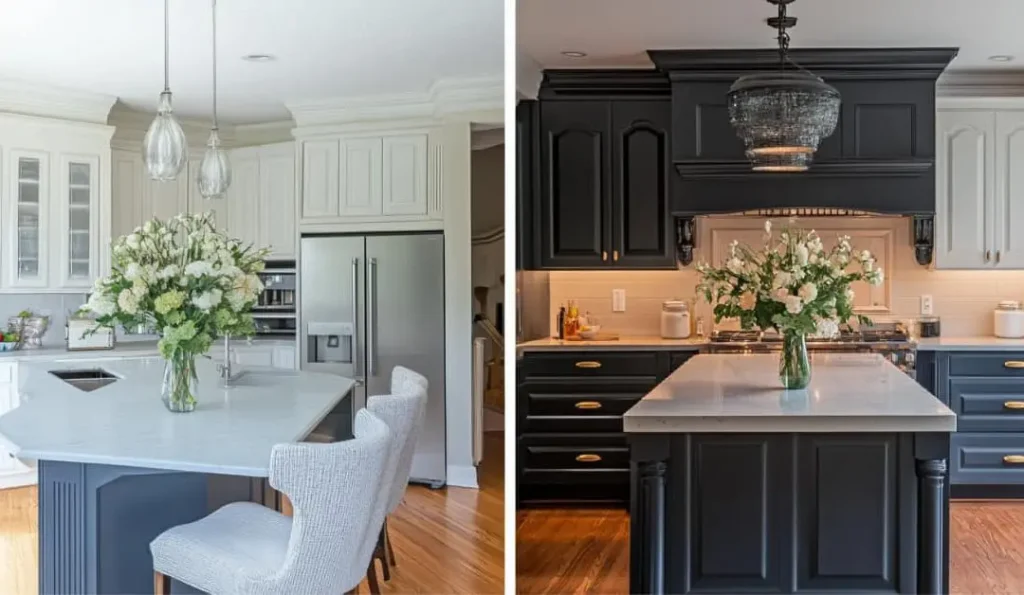
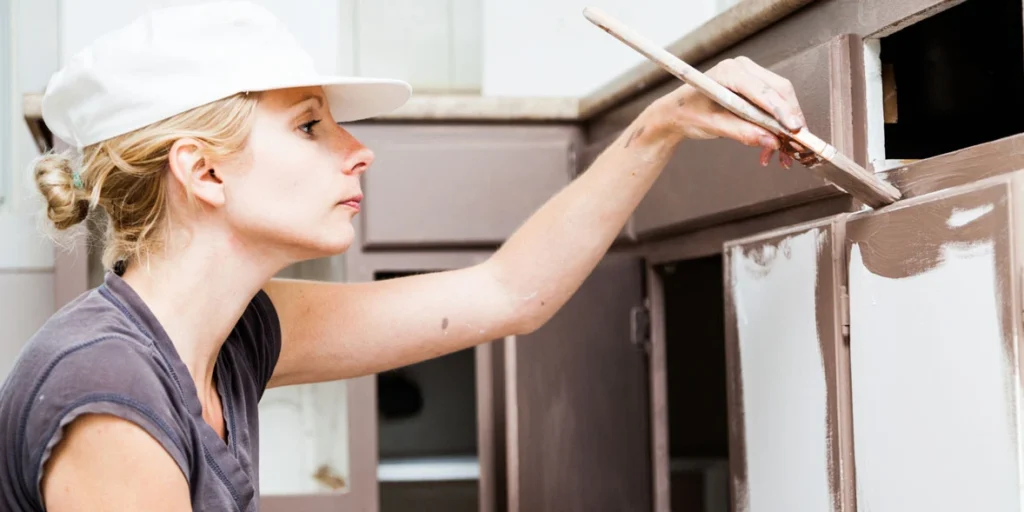
You can paint your kitchen cabinets to save thousands of dollars on a remodel while making your space look brand new. The process involves deep cleaning, sanding, priming, and applying two coats of high-quality enamel paint. Most homeowners finish this project in about four to seven days depending on the size of the kitchen. Learning how to paint kitchen cabinets is the best way to get a custom look without the high cost of replacement. At Prestigious Custom Cabinets, we see how a fresh coat of paint transforms a dark room into a bright, modern space. It is a big job, but following the right steps ensures a smooth and durable finish. Why Painting Kitchen Cabinets Is a Smart Upgrade Replacing kitchen cabinets costs between $5,000 and $25,000 on average. Painting them costs a few hundred dollars in materials. The result? Cabinets that look brand new without the renovation budget. Here’s why so many homeowners choose to repaint kitchen cabinets instead of replacing them: Major cost savings compared to full replacement Can be done over a weekend for smaller kitchens Hundreds of color options to match any style Increases home resale value and buyer appeal Eco-friendly no old cabinets going to a landfill Tools and Materials You Need Before You Start Before you touch a cabinet door, gather everything you need. Running out of supplies mid-project causes delays and uneven finishes. Tools: Screwdriver (for removing doors and hardware) Sandpaper 120-grit and 220-grit Tack cloths Angled paintbrush (2.5 inch) Short-nap foam roller Paint sprayer (optional, for ultra-smooth results) Painter’s tape and plastic sheeting Materials: Degreaser or TSP substitute cleaner Wood filler (for dings or holes) Bonding primer oil-based or shellac Cabinet-grade paint alkyd or water-based acrylic Drop cloths Before You Start: Prepare Your Kitchen Properly Prep work is where most DIYers cut corners. And it’s exactly where most paint jobs fail. Skipping this step leads to peeling, bubbling, and an uneven finish within months. Clear out your kitchen as much as possible. Remove dishes, small appliances, and anything near the cabinets. Cover countertops, appliances, and floors with drop cloths. Good ventilation matters too, open windows and use a fan. Plan for limited kitchen use during the project. Drying time between coats and curing time after finishing means your kitchen will be out of action for a few days. How to Paint Kitchen Cabinets Like an Expert in 9 Steps Follow these steps in order. Each one builds on the last. Rushing any of them will show in your final result. Step 1: Remove Cabinet Doors, Drawers, and Hardware Take off every cabinet door, drawer front, and piece of hardware. Label each door with masking tape so you know exactly where it goes back. Keep screws and hinges in labeled zip-lock bags. Painting cabinets in place leads to drips and missed spots. Step 2: Clean Every Surface Kitchen cabinets collect grease, cooking residue, and grime over time. Paint won’t stick to a dirty surface, it’s that simple. Use a degreaser or TSP substitute cleaner. Wipe every surface thoroughly, including the inside edges. Let everything dry completely before moving on. Step 3: Fill Holes and Sand Use wood filler to patch any dings, dents, or old hardware holes. Let it dry and sand smooth. Start with 120-grit sandpaper to rough up the surface, then finish with 220-grit for a smooth base. If you’re painting wooden kitchen cabinets, this step is especially important because wood grain can show through paint without proper prep. Step 4: Wipe Down with a Tack Cloth After sanding, dust is everywhere. Use a tack cloth to wipe every surface clean. This removes fine particles that would otherwise get trapped under primer or paint and create a rough, gritty finish. Step 5: Apply a Bonding Primer This is the step most beginners skip and the one that matters most. A bonding primer creates a surface that paint can actually hold onto. For laminate or previously painted cabinets, use shellac-based primer. For raw wood or MDF, oil-based primer works well. Apply a thin, even coat. Let it dry fully usually 24 hours before moving on. Step 6: Lightly Sand the Primer Once the primer dries, lightly sand with 220-grit paper. This removes any brush marks or raised grain and gives you a glass-smooth surface for painting. Wipe clean with a tack cloth again afterward. Step 7: Apply Your First Coat of Paint Thin coats are key. Thick coats drip and dry with texture. Use a foam roller for flat surfaces and a brush for detail areas and edges. Work in the direction of the wood grain. Start with door backs, then the box interiors, then the door fronts last. This way, any drips land on surfaces you haven’t finished yet. When it comes to painting cabinets, patience here pays off in the final look. Step 8: Sand Between Coats Let each coat dry fully and check your paint can for timing. Lightly sand with 220-grit paper between every coat. This keeps the surface smooth and helps each coat bond to the last one. Wipe with a tack cloth before applying the next coat. Step 9: Apply the Final Coat and Reassemble Two to three coats is usually enough for full coverage. After your final coat, let the paint cure for at least 72 hours before reassembling longer in humid or cold conditions. Reattach doors using your labels, install new or cleaned hardware, and you’re done. This is kitchen cabinet painting done right. You may also read: Is $10000 Enough for a Kitchen Remodel? Pro Tips to Get a Smooth, Professional Finish Paint doors horizontally on sawhorses to avoid drips Use a paint sprayer for the smoothest result no brush marks Work in a dust-free space to prevent particles sticking to wet paint Paint between 60°F and 85°F for best results Lightly distress edges after painting for a designer look Apply a clear topcoat for extra durability in high-use areas Common Mistakes to Avoid When Painting Cabinets Even experienced DIYers make

how much does it cost to paint kitchen cabinets in 2026
Kitchen Cabinet Painting, Custom Cabinets

How Much Does It Cost to Paint Kitchen Cabinets in 2026?

You do not need a full kitchen renovation to make your space feel new again. Painting your cabinets is one of the smartest upgrades you can make. It is affordable, fast, and when done right, it looks like a brand new kitchen. At Prestigious Custom Cabinets, we get this question every week from homeowners across Long Island: how much does it cost to paint kitchen cabinets? The honest answer is that it depends on a few key factors. But in this guide, we will give you real numbers, clear breakdowns, and everything you need to make a confident decision. Average Cabinet Painting Cost in 2026 Before we get into the details, here is a straightforward look at what cabinet painting costs across different scenarios. Project Type Estimated Cost DIY (materials only) $200 – $600 Professional (small kitchen) $1,500 – $3,000 Professional (medium kitchen) $3,000 – $6,500 Professional (large kitchen) $6,500 – $10,000+ These are real-world ranges based on current labor and material costs in the Northeast US. Your final cabinet painting cost will depend on how many cabinets you have, what condition they are in, and the finish you want. Cost Per Cabinet and Per Linear Foot Some contractors price by cabinet, others by linear foot. Here is how both methods break down: Per cabinet: $75 to $150 depending on size and condition Per linear foot: $30 to $60 for standard cabinetry A kitchen with 20 cabinets typically costs $1,800 to $3,500 A kitchen with 30 or more cabinets may run $3,500 to $6,000 Always ask your contractor which pricing model they use before comparing quotes. Factors That Affect Cabinet Painting Cost The painting kitchen cabinets cost estimate you get from a contractor is shaped by several real variables. Understanding them helps you avoid surprises on final invoices. 1. Number of Cabinets and Kitchen Size More cabinets mean more prep time, more paint, and more labor hours. Even adding 5 or 10 cabinets can increase the total cost by $500 to $1,500. 2. Cabinet Condition Cabinets with grease buildup or old paint layers require more prep work. Expect to add 10 to 25 percent to your estimate if your cabinets need significant cleaning or repairs. 3. Cabinet Material Solid wood is the easiest to paint. MDF and laminate require special primers. Thermofoil cabinets are the hardest to paint well. 4. Paint Type and Finish Acrylic enamel: $50 to $100 per gallon Waterborne alkyd: $60 to $90 per gallon Oil-based enamel: $40 to $80 per gallon Professional spray-grade: $100 to $200 per gallon 5. Spray vs Brush and Roller Spray finishing produces a factory-smooth result. Brush and roller is cheaper but leaves a slight texture. 6. Labor Rates and Location Labor accounts for 60 to 70 percent of your total cost. In Long Island, expect $50 to $100 per hour for professional cabinet painters. Cabinet Painting vs Cabinet Replacement Cost Option Average Cost Disruption Time Cabinet Painting $3,000 – $7,500 Low 2 – 5 days Cabinet Refacing $8,000 – $15,000 Medium 3 – 7 days Full Replacement $20,000 – $40,000+ High 2 – 6 weeks Most homeowners save 60 to 80 percent by painting rather than replacing. DIY vs Professional Cabinet Painting What DIY Cabinet Painting Actually Costs Paint (2 gallons minimum): $100 – $200 Primer: $40 – $80 Sandpaper and tools: $30 – $60 Brushes, rollers, or sprayer rental: $50 – $200 Drop cloths and tape: $40 – $80 Total DIY cost: roughly $260 to $620. The hidden cost of DIY is time. A medium kitchen takes 3 to 5 full days when done properly. What Professional Cabinet Painting Gives You Full degreasing and sanding of every surface Shellac or bonding primer for proper adhesion Spray finish applied in a controlled environment Two to three topcoats with sanding between coats Proper drying time before reinstallation Real talk: Many homeowners attempt DIY, get frustrated with brush marks or drips, and end up calling a professional anyway, often paying more to fix the DIY work first. Best Paints and Primers for Kitchen Cabinets Why Primer Cannot Be Skipped Primer seals the wood, improves adhesion, and blocks stains. Never apply cabinet paint directly over bare or previously painted wood without primer. Top Paint Options Benjamin Moore Advance — self-leveling, excellent for brush or spray Sherwin-Williams Emerald Urethane — extremely hard finish for high-traffic kitchens Behr Cabinet & Trim Enamel — solid budget option for DIYers ML Campbell Magnamax — professional spray-grade used by cabinet shops For sheen, semi-gloss and satin are the most practical for kitchens. You may also read: How to Clean Greasy Kitchen Cupboards? When You Should (and Should Not) Paint Your Cabinets Painting Makes Sense When Cabinet boxes are structurally sound You want a color update without changing the layout Doors and drawers still function properly You need maximum visual impact on a limited budget Consider Replacement Instead If Cabinets are water damaged or warping Thermofoil surfaces are already peeling You need a layout change or more storage Hardware is worn out and hard to replace Real Cost Examples Project 1 — Small Kitchen (12 cabinets) Solid wood, good condition, brush and roller finish. Total: $1,800 – $2,800 Project 2 — Medium Kitchen (22 cabinets) Mixed wood and MDF, spray-applied semi-gloss enamel. Total: $3,500 – $5,500 Project 3 — Large Kitchen (35 cabinets) Full spray finish, two-tone color scheme, some repairs needed. Total: $7,000 – $10,000+ Tips to Save Money on Cabinet Painting Remove cabinet doors yourself before the painter arrives saves 1 to 2 labor hours Clean cabinets with degreaser before the job starts Stick to one color instead of two-tone Get at least three itemized quotes Schedule work in January or February for potential off-season discounts Reuse existing hardware if it is still in good shape Cabinet Painting Services in Lindenhurst, NY Prestigious Custom Cabinets provides professional Kitchen Cabinet Painting Services in Lindenhurst, NY. Every project starts with a thorough in-home assessment. We evaluate your cabinet material, finish condition, and layout before giving you a clear, itemized