How Can I Remove Grease From Kitchen Cabinets? | 5 Pro Tips
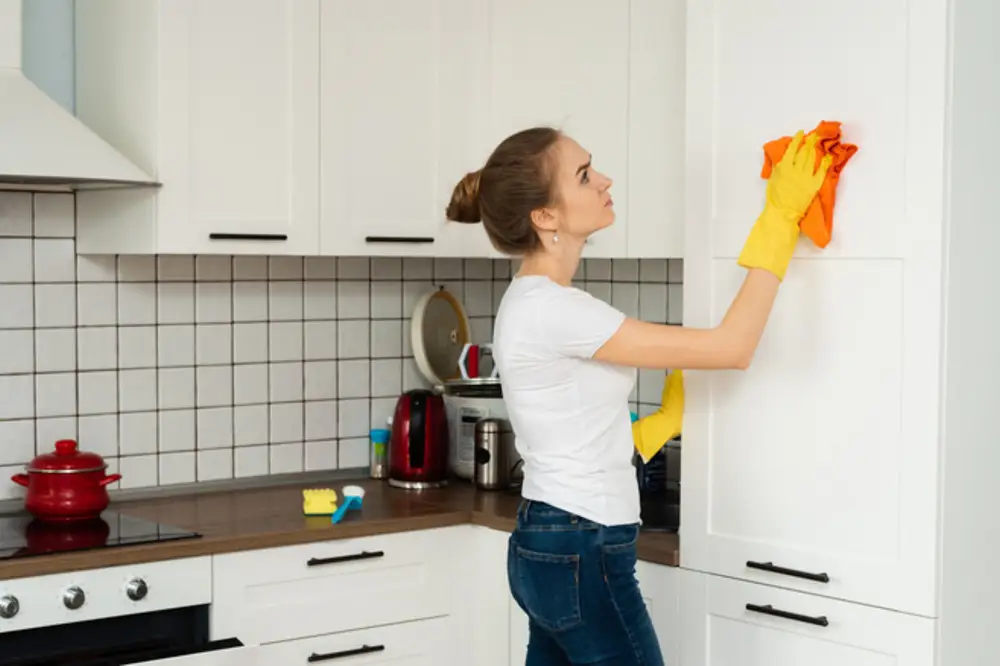
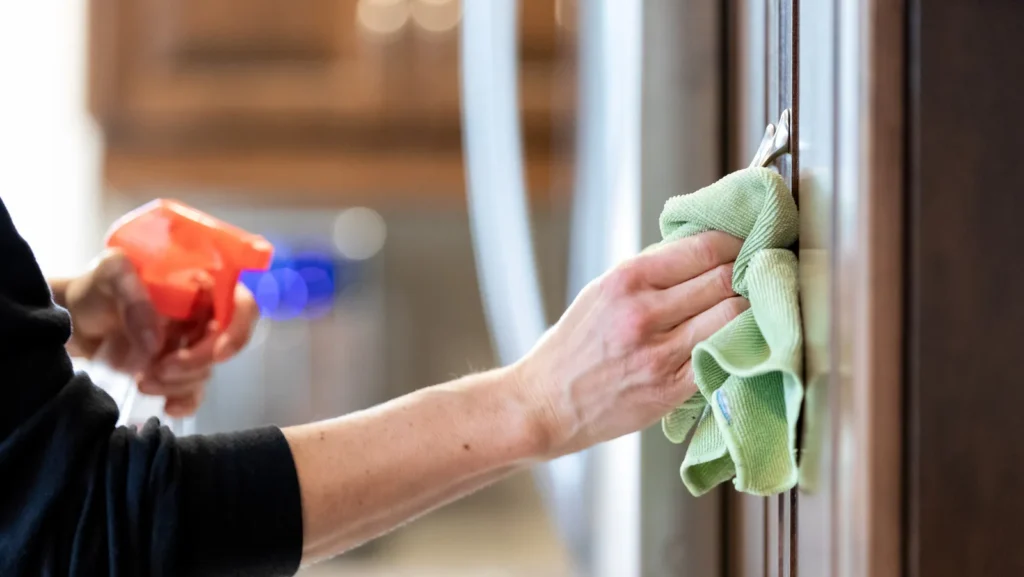
Grease on kitchen cabinets is one of the most stubborn messes in any home. Every time you cook, tiny oil particles float up and stick to cabinet surfaces. Over time, they harden into a thick, sticky layer that regular wiping cannot touch. The longer you wait, the worse it gets. The good news is that how can I remove grease from kitchen cabinets has simple answers. Dish soap, baking soda, and vinegar all work well. This guide covers every method, every surface type, and every mistake to avoid. Why Grease Builds Up on Kitchen Cabinets Understanding the problem helps you fix it better. When you cook, oil heats up and turns into a fine mist. That mist travels through the air and lands on every nearby surface, including your cabinets. It is not just frying. Boiling, sauteing, and even toasting bread release oils into the air. Each layer of grease is thin. But over weeks and months, those thin layers stack up. Dust and food particles stick to the grease. The whole thing hardens into a tough, yellowish coating. Cabinets near the stove get hit the hardest. But upper cabinets, handles, and the insides of cabinet doors also collect grease over time. That is why cleaning greasy kitchen cabinets is a task most homeowners deal with regularly. Best Methods to Remove Grease From Kitchen Cabinets There is no single best solution for every situation. The right method depends on how bad the buildup is and what material your cabinets are made of. Here are the most effective options. Method 1: Dish Soap and Warm Water This is the first thing to try for light grease buildup. What you need: Dish soap (Dawn or any degreasing formula) Warm water Microfiber cloth or soft sponge How to do it: Mix a few drops of dish soap into a bowl of warm water. Dip your cloth or sponge and wring it out well. You want it damp, not dripping. Wipe the cabinet in small circular motions. Rinse with a clean damp cloth. Dry immediately with a dry cloth. Dish soap breaks down grease at the molecular level. It works great for weekly maintenance. For heavier buildup, move to the next method. Best for: Wood, painted, and laminate cabinets with light grease. Method 2: Baking Soda Paste Baking soda is a mild abrasive. It scrubs away hardened grease without scratching most cabinet surfaces. What you need: Baking soda A small amount of water or dish soap Old toothbrush or soft cloth How to do it: Mix baking soda with just enough water to form a thick paste. Apply the paste directly to the greasy area. Let it sit for 5 minutes. Scrub gently with a toothbrush or cloth. Wipe clean with a damp cloth and dry right away. This method works well on cabinet handles, edges, and corners where grease gets trapped. It is one of the best ways to clean grease off kitchen cabinets that has hardened over time. Best for: Painted wood, thermofoil, and laminate cabinets. Method 3: White Vinegar Solution Vinegar cuts through grease and disinfects at the same time. It is safe, cheap, and effective. What you need: White vinegar Water Spray bottle Soft cloth How to do it: Mix equal parts white vinegar and water in a spray bottle. Spray the greasy cabinet surface. Let it sit for 2 to 3 minutes. Wipe with a soft cloth in circular motions. Rinse with clean water and dry completely. Do not use vinegar on real wood cabinets without a protective finish. The acidity can damage bare wood over time. Always test on a hidden spot first. Best for: Painted cabinets, laminate, and metal hardware. Method 4: Dish Soap and Baking Soda Combo When grease is really stubborn, combine both methods for a stronger clean. How to do it: Sprinkle baking soda directly onto the greasy spot. Spray a little dish soap over the baking soda. Let it fizz for 3 to 5 minutes. Scrub with a damp cloth or soft brush. Wipe clean and dry. This combo is especially good for how to clean greasy kitchen cabinets that have not been touched in months. Method 5: Commercial Degreasers Sometimes home remedies are not enough. Commercial kitchen degreasers are made for exactly this problem. Popular options include: Krud Kutter (water-based, safe for most surfaces) Zep Heavy-Duty Citrus Degreaser Simple Green All-Purpose Cleaner How to use: Read the label for dilution instructions. Spray or apply to the cabinet surface. Wait the recommended time (usually 2 to 5 minutes). Wipe off with a damp cloth. Rinse and dry thoroughly. Always test commercial products on a small hidden area first. Some degreasers are too harsh for painted or wood cabinets. Best for: Extremely heavy grease buildup on solid wood or metal cabinets. Method 6: Dish Soap and Salt Scrub Salt adds extra scrubbing power without causing scratches on tougher surfaces. How to do it: Mix dish soap with a small amount of coarse salt. Apply to the greasy area with a cloth. Rub in gentle circles. Rinse clean and dry. Use this method only on harder cabinet surfaces. Avoid painted finishes that scratch easily. You can read about: What Is the Best Paint for Kitchen Cabinets Cleaning Grease by Cabinet Material Different cabinet materials need different approaches. Using the wrong cleaner can damage your cabinets. Here is a quick guide. Cabinet Material Safe Cleaners What to Avoid Solid wood (sealed) Dish soap, diluted vinegar, Murphy Oil Soap Excess water, harsh chemicals Painted wood Dish soap, baking soda paste Abrasive scrubbers, strong acids Laminate Dish soap, vinegar solution Steel wool, bleach Thermofoil Warm soapy water Heat-based tools, harsh solvents Metal (stainless) Vinegar, commercial degreaser Steel wool on brushed finishes Melamine Mild dish soap Abrasives, ammonia-based cleaners Matching your cleaner to your cabinet type is the key to how to clean kitchen cabinets grease without causing new damage. How to Clean Grease Off Kitchen Cabinet Hardware Cabinet handles and knobs collect just as much grease as