What Is the Best Paint for Kitchen Cabinets | Guide
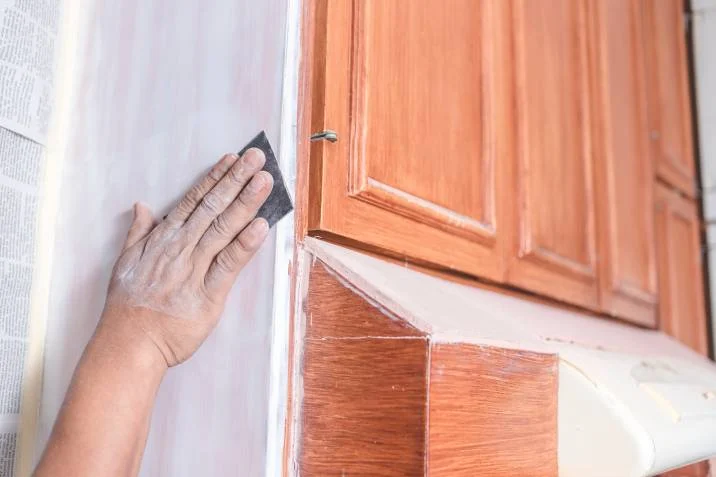
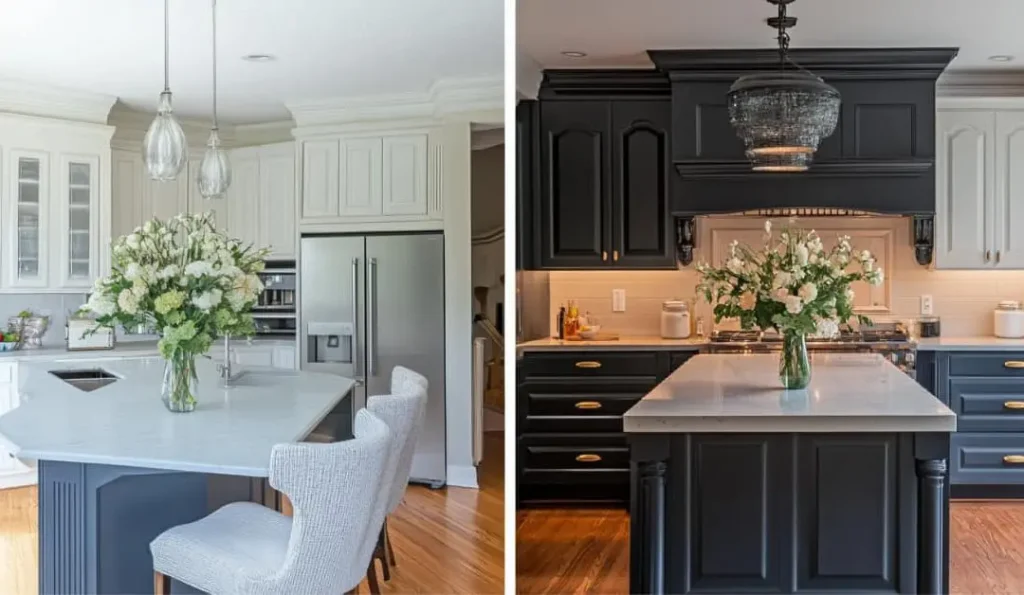
Most people spend hours picking a cabinet color and five minutes picking the actual paint. That is a costly mistake. The paint you choose decides how long your cabinets hold up, how easy they are to clean, and whether they chip after one season. The wrong paint costs you twice because you end up doing the job again. So, what is the best paint for kitchen cabinets? A water-based alkyd or urethane enamel is your best bet. These paints dry hard, resist grease and moisture, and stay clean with a simple wipe. This guide covers every option, every sheen level, and the real products that work. Why Choosing the Right Paint for Kitchen Cabinets Matters Kitchens are hard on paint. You have steam from boiling water, grease splatters from the stove, and hands touching cabinet doors dozens of times a day. Regular wall paint was never built for this. Cabinet paint needs to do four things well: stick to a slick surface, dry hard enough to resist scratches, wipe clean without losing color, and hold up to humidity over years. Most cheap paints fail at least two of those. Here is what happens when you use the wrong paint: Paint peels near the sink within months Yellow or brown stains form that no cleaner removes Brush marks show clearly in morning light Doors stick to frames in summer humidity Paint chips when a pot or pan taps the edge Getting this right the first time saves you money, time, and a lot of frustration. Once you know what to look for, the decision is actually straightforward. What Is the Best Paint for Kitchen Cabinets? The best paint for kitchen cabinets is a water-based alkyd enamel or a urethane-fortified trim paint. These formulas combine the easy cleanup of latex with the hardness of traditional oil. They level out smoothly, cure tough, and hold their color for years. Three types stand out above the rest: Water-based alkyd enamels (hybrid paints) Best all-around choice for most kitchens Urethane trim enamels Best for maximum hardness and durability Cabinet-specific latex enamels Best for budget-conscious projects with lighter traffic If you are working with wood kitchen cabinets, the best paint for wood kitchen cabinets is a water-based alkyd. It bonds to wood well, sands cleanly between coats, and does not yellow like oil-based paint does over time. For MDF or thermofoil doors, use a urethane latex enamel with a bonding primer first. Skipping the primer is the single biggest reason cabinet paint peels on these materials. You can read about: How Much Does It Cost to Paint Kitchen Cabinets Oil vs Water-Based Paint: Which Is Better for Cabinets? This debate comes up in every cabinet painting conversation. The answer has changed over the last decade. Water-based alkyd is now competitive with oil in almost every category. Oil-Based Paint — What It Offers Dries harder than standard latex Self-levels very well, hides brush strokes Yellows noticeably on white and light colors over time Long dry time: 8 to 24 hours between coats Requires mineral spirits for cleanup High VOCs — not ideal in poorly ventilated kitchens Water-Based Alkyd (Hybrid) Paint — What It Offers Cures nearly as hard as oil-based paint Does not yellow over time stays true to color Soap and water cleanup Dry time of 4 to 8 hours between coats Lower VOCs safer for indoor use Can be tinted to thousands of colors For most homeowners and painters, water-based alkyd wins. You get most of what oil offers without the fumes, the slow drying, or the yellowing issue. It is the best paint for cabinets if you want a professional result without the mess. How and Why to Use Sherwin-Williams Emerald Urethane Trim Enamel Sherwin-Williams Emerald Urethane Trim Enamel is the most recommended cabinet paint among professional painters. It shows up on almost every cabinet painting forum, contractor review site, and painter’s supply list for good reason. It is a water-based urethane formula. That means it cures into a hard, chemical-resistant film rather than just drying like standard latex. The result is a surface that handles grease, cleaning sprays, and daily contact without wearing down. Why Professionals Choose This Paint Levels out like oil paint but cleans up with water Blocks tannins from bleeding through on bare wood Resists scuffs, grease, and humidity extremely well Available in satin, semi-gloss, and gloss sheens Holds color without fading for 5 to 10 years with proper care Step-by-Step Application Guide Clean every cabinet surface with TSP substitute or a strong degreaser Sand with 120 to 150-grit sandpaper to scuff the existing surface Wipe clean with a tack cloth no dust left behind Apply a bonding primer (Sherwin-Williams Extreme Bond Primer pairs well) Let primer dry fully, then sand lightly with 180-grit Apply first coat using a foam roller on flat surfaces and a fine-bristle brush on profiles Wait 6 to 8 hours before the second coat Sand with 220-grit between coats for a smoother finish Apply second coat and allow full cure: 3 to 7 days before closing doors or heavy use One critical mistake people make is closing cabinet doors too soon. The paint may feel dry in a few hours, but it does not reach full hardness for several days. Closing doors early causes them to stick and leave marks in the fresh finish.