Prestigious Custom Cabinets

Quartz Countertops

how much are quartz countertops​
Quartz Countertops, Custom Cabinets

How Much Are Quartz Countertops? Full Cost Guide

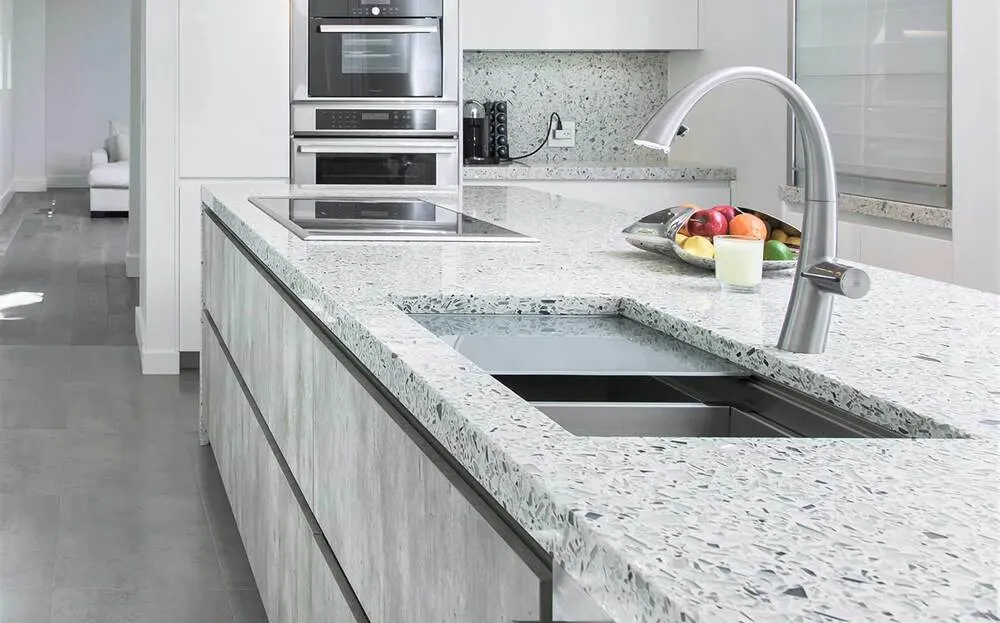
Quartz countertops are one of the most popular choices in kitchens and bathrooms right now. They look great, hold up well, and need almost no maintenance. But before you commit, you need to know what you are actually paying for. Most homeowners spend between $55 and $150 per square foot installed for quartz. That puts a typical kitchen project somewhere between $2,000 and $7,000 total. If you are wondering how much are quartz countertops for your specific space, the number depends on slab grade, edge style, cutouts, and your local labor market. This guide covers every cost factor clearly so you can budget with confidence. What Makes Quartz So Popular? Before getting into numbers, it helps to understand why quartz commands the price it does. Quartz is an engineered stone. It is made from about 90% ground natural quartz crystals mixed with resin binders and pigments. The result is a hard, non-porous surface that looks like natural stone but performs better in many ways. It does not need annual sealing like granite. It resists staining from wine, oil, and coffee better than marble. It comes in dozens of colors and patterns that are impossible to find in nature. And every slab looks consistent, which matters a lot when you need two or three slabs to cover a large kitchen. Those advantages explain why quartz countertop prices have stayed strong even as home renovation costs have risen. Homeowners are willing to pay for the combination of beauty and practicality. Quartz Countertop Cost Basics The total cost of quartz countertops has two main parts: the material and the labor. Material cost covers the slab itself. This varies by brand, color, pattern, and thickness. Entry-level quartz starts around $25 to $40 per square foot for the slab alone. Premium designer quartz can reach $100 or more per square foot just for the material. Labor cost covers fabrication and installation. Fabricators cut the slab to fit your countertop layout, add edge profiles, and cut holes for sinks and faucets. Labor typically runs $35 to $85 per square foot depending on complexity and your location. Add those two numbers together and you get the installed price per square foot. One thing most people miss is the minimum charge. Many fabricators have a minimum job size of 15 to 25 square feet. Even if your bathroom vanity is only 8 square feet, you may pay for 15. Always ask about minimums when collecting quotes. You can read about: How to Clean Quartz Countertops Cost of Quartz Countertops Per Square Foot Here is a clear breakdown of what you can expect to pay at each tier. Entry-level quartz: $55 to $75 per square foot installed. Basic colors like white, gray, and black. Minimal pattern. Brands like MSI or lower-tier Silestone fall here. Good quality, limited design options. Mid-range quartz: $75 to $110 per square foot installed. More color variety, better pattern movement, and more realistic stone looks. Caesarstone, mid-range Cambria, and Viatera sit in this range. This is where most homeowners land. Premium quartz: $110 to $150 per square foot installed. Designer colors, complex veining, and large-format patterns. High-end Cambria, Calacatta-look quartz, and luxury collections from major brands. Worth it if design matters as much as function. Ultra-premium quartz: $150 to $200 or more per square foot installed. Rare colors, oversized slabs, and specialty finishes. Usually found in high-end custom homes and commercial projects. For a 40 square foot kitchen, those tiers work out to roughly $2,200 to $8,000 installed. The range is wide, which is why getting multiple quotes matters so much. Comparing Quartz to Other Countertop Materials Understanding quartz countertops price makes more sense when you compare it to other options. Laminate countertops cost $15 to $40 per square foot installed. They are the cheapest option but do not hold up as well and rarely add home value. Granite countertops run $40 to $100 per square foot installed for most varieties. Entry-level granite is cheaper than entry-level quartz. But rare granite can exceed premium quartz prices easily. Marble countertops start at $60 and go well past $200 per square foot installed. Marble is beautiful but needs sealing, etches from acids, and stains more easily than quartz. Butcher block runs $35 to $70 per square foot installed. It looks warm and natural but needs regular oiling and can warp near water. Concrete countertops cost $65 to $135 per square foot installed. Custom and unique, but heavy and prone to cracking without proper reinforcement. Compared to all of these, quartz counter cost sits in the upper-middle range. You are paying more than laminate or basic granite, but you are getting a surface that outperforms both in daily use. What Affects Your Overall Cost? The price of quartz countertops in your kitchen is not just about the slab. Several other factors push the number up or down. Kitchen size. Bigger kitchens need more material and more labor. A 60 square foot kitchen costs more than a 30 square foot one, obviously. But larger projects sometimes get a better per-square-foot rate from fabricators. Edge profile. A simple eased edge is usually included in the base price. Decorative edges like ogee, waterfall, or double-stacked profiles add $10 to $30 per linear foot. Number of cutouts. Each sink hole, faucet hole, or cooktop cutout adds to the fabrication cost. Expect $100 to $250 per cutout depending on complexity. Backsplash. If you want a quartz backsplash to match your countertops, that adds square footage and cost. A standard 4-inch quartz backsplash adds $15 to $25 per linear foot. Thickness. Standard quartz is 3/4 inch or 1.25 inches thick. Thicker slabs cost more. Waterfall island edges using full slab thickness add significant material cost. Removal of old countertops. Tearing out existing countertops adds $50 to $150 to the project. Some fabricators include this, some charge separately. Ask before signing. Geographic location. Labor costs vary widely by city. A project in New York City or San Francisco costs more than the same project

How to Clean Quartz Countertops
Custom Cabinets, Quartz Countertops

How to Clean Quartz Countertops: Full Guide

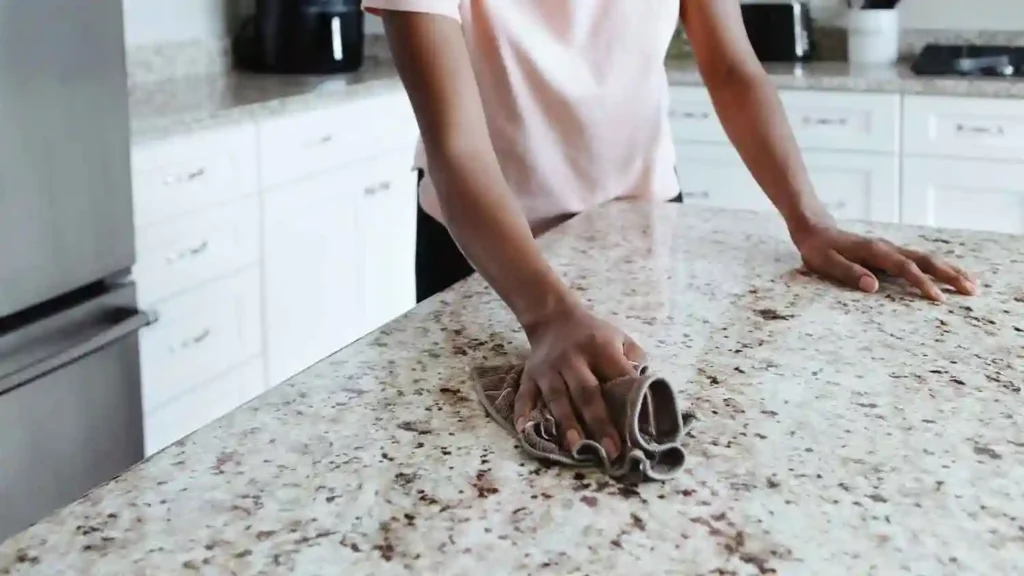
Quartz countertops look great and hold up well in busy kitchens. But even this tough material needs proper cleaning to stay looking new. The good news is that quartz is one of the easiest countertop materials to maintain. A damp cloth and mild dish soap handle most messes in under two minutes. No special products required for daily use. Knowing how to clean quartz countertops the right way also means knowing what to avoid. The wrong cleaner can dull the surface permanently. This guide covers daily routines, tough stain removal, product recommendations, and every mistake that shortens quartz life. Why Quartz Countertops Need Proper Care Quartz is engineered stone. It is made from about 90% ground quartz crystals bonded with polymer resin. That resin makes quartz non-porous and highly stain resistant. But the same resin that makes quartz so durable is also its vulnerability. Harsh chemicals break down the resin binder. Once the resin is damaged, the surface loses its polish, becomes dull, and may develop discoloration that cannot be reversed. No amount of cleaning fixes chemically damaged quartz. Prevention is the only solution. Abrasive cleaners and scrubbing pads physically scratch the resin surface. Even small scratches dull the finish and make the countertop harder to clean over time because debris catches in the micro-scratches. Understanding this helps explain every recommendation in this guide. Every cleaning method and every product warning comes back to protecting the resin that keeps quartz performing the way it should. Daily Cleaning Routine for Quartz Countertops The daily routine for cleaning quartz countertops is simple. It takes about two minutes. Done consistently, it prevents buildup that requires more aggressive cleaning later. What you need: Warm water Mild dish soap (Dawn or similar) Soft microfiber cloth or non-scratch sponge The daily routine: Dampen your microfiber cloth with warm water. Add one or two drops of mild dish soap. Wipe the countertop surface using gentle circular motions. Pay extra attention to areas near the stove, sink, and food prep zones where grease and food particles accumulate. Rinse the cloth with clean water. Wipe the surface again to remove any soap residue. Soap left on the surface dries and leaves a film that makes the countertop look dull. Dry the surface with a clean dry cloth. This prevents water spots, especially in hard water areas where mineral deposits build up quickly. That is the complete daily routine. No sprays, no special products, no waiting. Just soap, water, and a cloth. For most kitchens, this is all you ever need for day-to-day cleaning of quartz countertops. How to Remove Tough Stains from Quartz Countertops Some spills need more than a quick wipe. Here is how to handle the most common tough stains without damaging the surface. Dried or Caked-On Food Do not scrub dried food with force. That scratches the surface. Instead: let warm water soak the dried food for 5 to 10 minutes. The water softens it. Then use a plastic scraper or the edge of a credit card to gently lift the food off the surface. Follow up with the standard soap and water wipe. Never use a metal scraper, steel wool, or abrasive pad on quartz. Metal and abrasive materials scratch the resin surface permanently. Grease and Oil Splatter Apply a small amount of dish soap directly to the greasy area. Let it sit for 2 minutes. Dish soap is specifically designed to cut through oil and grease. Wipe with a warm damp cloth in circular motions. Rinse thoroughly and dry. For heavier grease buildup from cooking splatter, a spray degreaser safe for quartz works well. Look for products labeled safe for engineered stone. Coffee and Tea Stains Coffee and tea can leave a light stain if left to sit. Wipe up coffee spills immediately when possible. For dried coffee stains: apply a mixture of equal parts water and isopropyl alcohol (rubbing alcohol) to the stain. Let it sit for 2 to 3 minutes. Wipe with a soft cloth. Rinse with clean water and dry. Rubbing alcohol is safe for quartz in moderate use. It evaporates quickly and does not leave residue. Do not use it every day as a regular cleaner, but it is effective for occasional stain treatment. Wine and Juice Stains Highly pigmented liquids like red wine, pomegranate juice, and grape juice can leave faint surface stains if not wiped up quickly. For fresh spills: wipe immediately with a damp cloth and soap. Act fast and most stains come right up. For dried stains: apply a small amount of non-bleach household cleaner or a dedicated quartz cleaning spray. Let sit for 3 minutes. Wipe with a soft cloth. Rinse and dry. If a faint mark remains, repeat once or twice. Permanent Marker and Ink Permanent marker on quartz is alarming but usually fixable. Apply rubbing alcohol to a soft cloth. Do not pour it directly on the counter. Press the cloth on the marker mark and hold for 30 seconds. The alcohol dissolves the ink. Wipe away. Repeat if needed. Rinse with water and dry. Nail polish remover also works for marker and ink but should be rinsed off extremely quickly. Nail polish remover contains acetone which can damage the resin if it sits on the surface for more than a few seconds. Hard Water Spots and Mineral Deposits In areas with hard water, white mineral deposits build up around the sink and faucet area over time. Use a mixture of equal parts water and white vinegar to clean hard water spots. Apply with a cloth, let sit for 2 minutes, and wipe away. Rinse thoroughly with water afterward. Vinegar is mildly acidic. Use it only for targeted hard water removal, not for regular daily cleaning. Repeated daily use of vinegar can dull the quartz surface over time. Rust Stains Rust stains happen when iron-containing items like cast iron pans or steel wool sit on the wet quartz surface. Apply a non-abrasive rust remover safe for stone surfaces. Bar Keepers Friend in

how much does it cost to install countertops
Countertops, Quartz Countertops

How Much Does It Cost to Install Countertops in 2026? (Full Pricing Breakdown)

Upgrading your kitchen doesn’t always require a full remodel sometimes, new countertops alone can completely transform the space. One of the most common questions homeowners ask is: How Much Does It Cost to Install Countertops in 2026? The answer depends on several factors, including material, labor, kitchen size, and customization.  At prestigious custom cabinets, we’ve worked with homeowners seeking both budget-friendly upgrades and high-end transformations. Many underestimate hidden costs or choose the wrong materials. Whether you’re planning a renovation or exploring the cost to replace countertops, this guide provides clear, practical insights to help you make informed decisions with confidence. Quick Answer: Countertop Installation Cost The cost to replace countertops in 2026 typically ranges from $1,800 to $6,000, with most homeowners spending around $3,000 to $4,500. On average, you can expect to pay $40 to $150 per square foot installed, depending on the material and complexity. If you’re wondering how much do new countertops cost, the short answer is: it varies but based on real project experience at prestigious custom cabinets, understanding the details below will help you estimate your exact budget more accurately. Average Countertop Installation Cost National Average Cost Across most U.S. markets, the kitchen countertop remodel cost falls between $2,000 and $5,000. Smaller kitchens stay on the lower end, while custom or luxury installations can easily exceed $8,000. Cost Per Square Foot The average cost to replace countertops is calculated per square foot: Budget materials: $20–$50/sq ft installed Mid-range materials: $50–$100/sq ft installed High-end materials: $100–$250+/sq ft installed Typical Price Range (Low to High) Low-end: $1,200–$2,000 Mid-range: $2,500–$5,000 High-end: $6,000–$12,000+ Countertop Cost Per Square Foot by Material Laminate Countertops Laminate is the most affordable option, costing around $20–$40 per square foot installed. It’s ideal for budget remodels but lacks long-term durability. Butcher Block Countertops Wood countertops range from $50–$100 per square foot installed. They add warmth but require regular maintenance. Granite Countertops The granite countertop cost per square foot installed 2026 typically falls between $70 and $150. Granite remains a popular choice due to its durability and natural look. Quartz Countertops Quartz Countertops costs around $80–$160 per square foot installed. It’s non-porous, low maintenance, and ideal for busy kitchens. Marble Countertops Marble is more expensive, ranging from $100–$200+ per square foot installed, and is better suited for low-traffic areas due to its softness. Luxury Options Concrete, stainless steel, and copper can cost $150–$300+ per square foot installed, depending on customization. Labor Cost for Countertop Installation Labor Cost Per Square Foot Labor usually costs $10–$30 per square foot, depending on the complexity of the project. What’s Included in Labor Cost Measurement and templating Cutting and fabrication Installation and finishing Sealing (if required) Factors That Increase Labor Cost Custom edge profiles Sink cutouts Tight spaces or unusual layouts Key Factors That Affect Countertop Installation Cost Material Selection Material is the biggest factor in how much do new countertops cost. Premium materials significantly increase total cost. Kitchen Size & Layout Larger kitchens require more material and labor, increasing the kitchen countertop remodel cost. Custom Features & Edge Profiles Custom edges, waterfall designs, and integrated sinks can raise costs quickly. Location Pricing varies depending on your region and contractor availability. Permits & Warranties Some projects may require permits, especially when plumbing or structural work is involved. Additional Costs Most Homeowners Miss Old Countertop Removal Cost Removing old countertops costs $200–$500, depending on material and labor. Sink & Faucet Installation Expect to pay $200–$800 for sink and faucet adjustments. Backsplash Installation Backsplashes add $500–$1,500 to your total project cost. Delivery & Fabrication Fees Some contractors charge separate fees for delivery and fabrication. Cost Breakdown Examples (Real Kitchens) Small Kitchen Cost: $1,500–$3,000 Materials: Laminate or basic quartz Medium Kitchen Cost: $3,000–$6,000 Materials: Granite or mid-range quartz Large / Luxury Kitchen Cost: $6,000–$12,000+ Materials: Marble or custom quartz If you’re also considering the cost to replace kitchen cabinets and countertops, expect total costs to range from $8,000 to $25,000+, depending on materials and layout. DIY vs Professional Countertop Installation Cost DIY Cost Breakdown DIY installation may cost $500–$2,000, depending on materials and tools. Cost of Hiring a Professional Professional installation ensures proper fitting and durability, typically costing $2,000–$6,000+. Pros and Cons DIY saves money but increases risk. Professional work costs more but ensures quality and longevity. Countertop Replacement vs Repair Cost When Replacement Makes Sense If your countertops are outdated, damaged, or reducing home value, replacement is the better option. When Repair Is Cheaper Minor chips or scratches can often be repaired for a few hundred dollars. How to Save Money on Countertop Installation Choose Budget-Friendly Materials Laminate or entry-level quartz can significantly reduce the cost to replace countertops. Avoid Over-Customization Simple designs cost less and are easier to install. Compare Multiple Quotes Always compare estimates to find the best value. Install During Off-Season Contractors may offer discounts during slower months. You may also read: How Custom Cabinetry Can Transform Your Kitchen Does Installing New Countertops Increase Home Value? ROI (Return on Investment) New countertops can recover 60%–80% of their cost when selling a home. Buyer Appeal Modern countertops improve visual appeal and make kitchens more attractive to buyers. What to Expect During Countertop Installation Step-by-Step Process Measurement and consultation Material selection Fabrication Installation Final finishing Installation Timeline Most projects take 1–2 weeks, including fabrication and installation. If you’re planning a remodel and want accurate pricing, getting a professional quote is the best first step. For homeowners exploring Countertops in Lindenhurst, NY, working with experienced professionals ensures precise measurements, quality materials, and long-lasting results. Conclusion Understanding How Much Does It Cost to Install Countertops helps you plan your budget and avoid unexpected expenses. From material choices to labor and hidden fees, every detail plays a role in the final cost. If you’re ready to upgrade your kitchen or want expert guidance, contact us at prestigious custom cabinets today. Our team can help you choose the right materials, stay within budget, and achieve a result that truly enhances your home. FAQs How much does