




Quartz countertops are easy to care for when you follow the right steps. A simple daily wipe and quick spill cleanup keep them spotless and safe from damage. You don’t need harsh chemicals or special tools. Mild soap, warm water, and a soft cloth are enough for most homes.
If you’re wondering how to clean quartz countertops, the answer is simple: clean gently, avoid strong chemicals, and stay consistent. With the right habits, your countertops will stay bright, smooth, and long-lasting.
Why Proper Quartz Countertop Cleaning Matters
Quartz is an engineered stone. It is made from natural quartz crystals mixed with resin and pigments. That resin binder makes it strong, but also sensitive to harsh chemicals and heat.
If you clean quartz wrong, you risk:
- Dulling the surface finish
- Breaking down the resin binder
- Causing permanent discoloration
- Voiding your manufacturer warranty
Cleaning it right is not hard. It just takes the right products and habits.
The Best Way to Clean Quartz Countertops Daily
The best way to clean quartz countertops is simple: warm water, a few drops of dish soap, and a soft cloth.
Here is what to do each day:
- Wipe up spills right away. Do not let liquids sit.
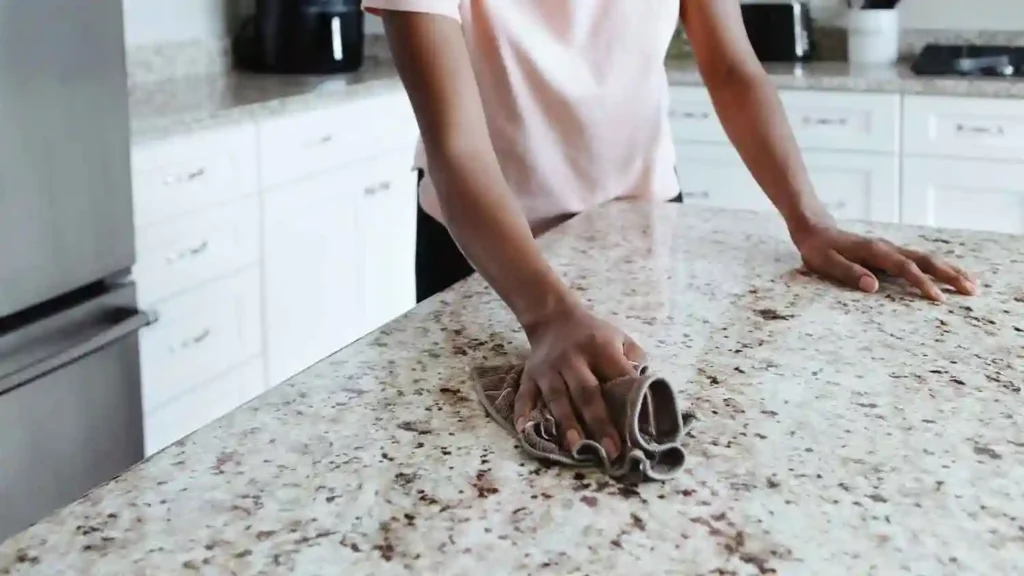
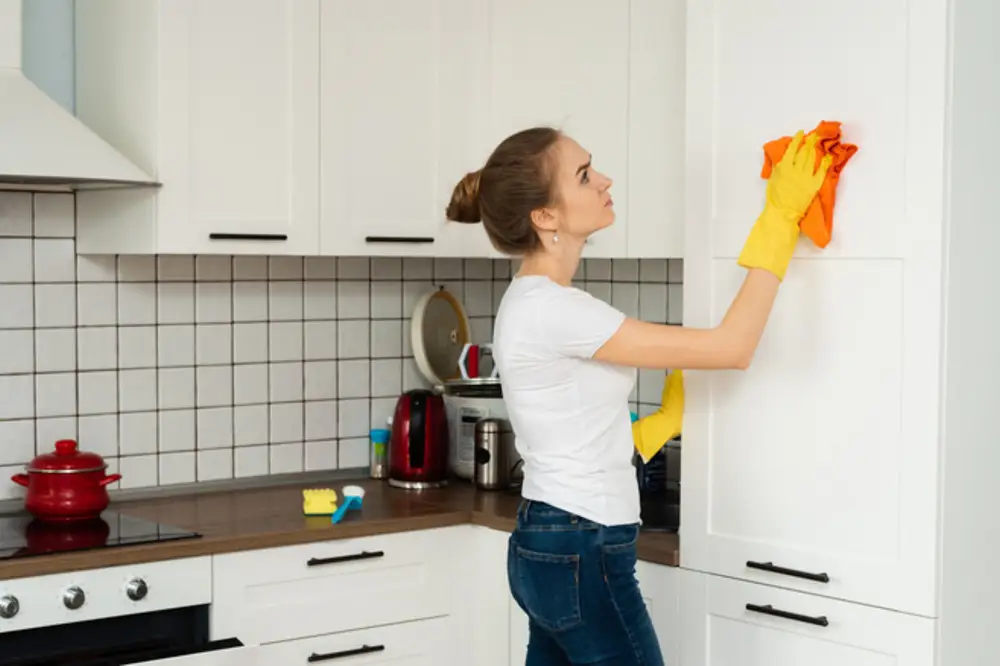
- Use a damp microfiber cloth with mild dish soap.
- Wipe in a circular motion across the surface.
- Rinse with a clean damp cloth.
- Dry with a soft towel.
That is it. No special cleaners needed for everyday cleaning of quartz countertops.
For a deeper clean once a week, use a store-bought quartz surface cleaner. Look for pH-neutral formulas labeled safe for engineered stone. Brands like Method All-Purpose or Weiman Quartz Cleaner work well.
How Often Should You Clean Quartz Countertops?
Quick answer: wipe daily, deep clean weekly.
Daily: Wipe down after cooking or food prep. Quartz resists bacteria, but food residue can stain if left.
Weekly: Give it a full clean with a quartz-safe cleaner. Check for stuck-on grime near edges and backsplash areas.
Monthly: Inspect for any dull spots or residue buildup. Use a small amount of non-abrasive cleaner to restore shine if needed.
Consistent cleaning of quartz countertops prevents buildup and keeps the surface looking polished.
What Not to Do When Cleaning Quartz Countertops
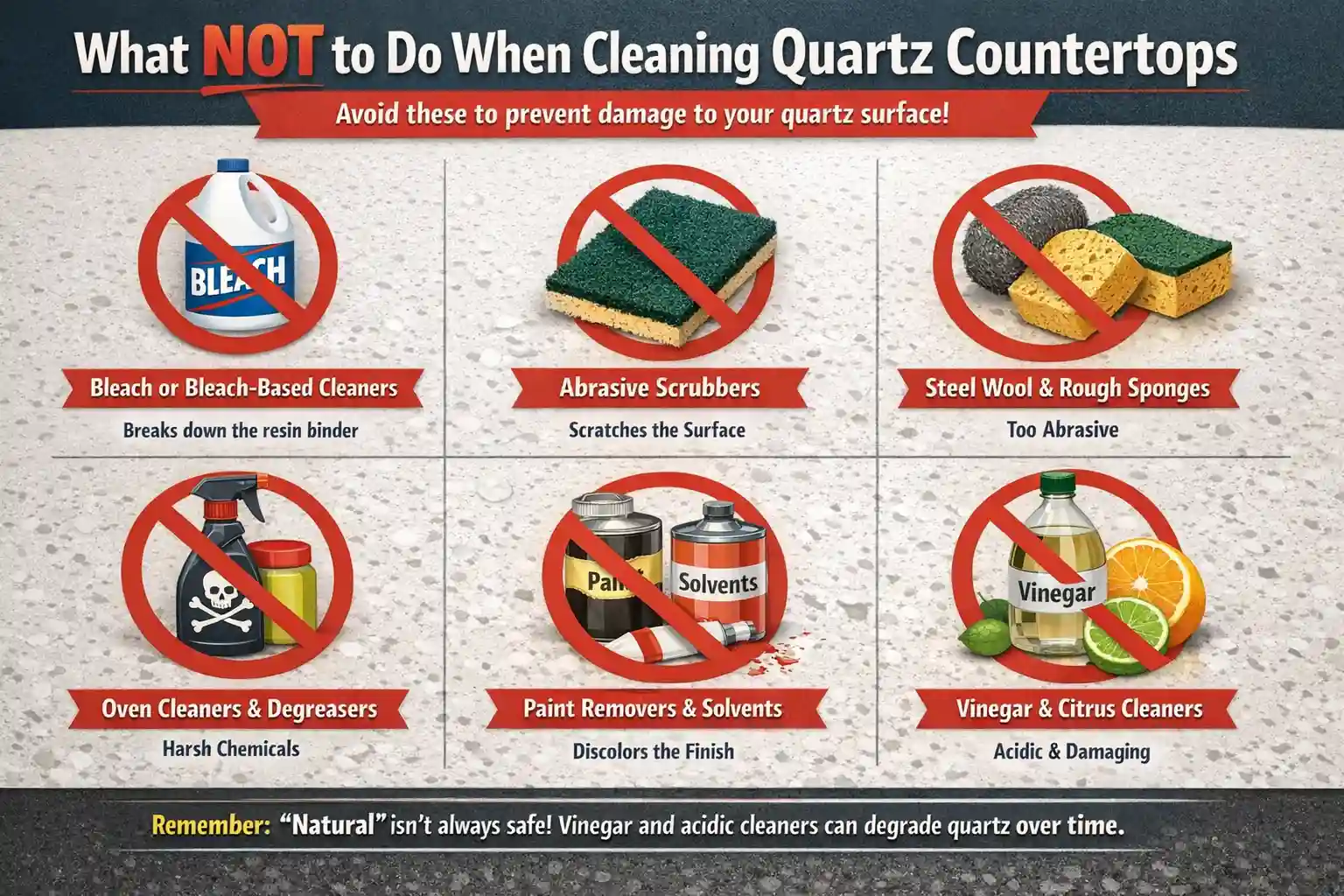
This section matters more than most people realize. The wrong products cause permanent damage.
Do not use:
- Bleach or bleach-based cleaners — breaks down the resin binder over time
- Abrasive scrubbers — scratches the surface permanently
- Steel wool or rough sponges — same problem
- Oven cleaners or degreasers — too harsh for the resin
- Paint removers or solvents — will discolor or dull the finish
- Vinegar or citrus-based cleaners — acidic and damaging with repeated use
People often think “natural” cleaners like vinegar are safe on everything. Not on quartz. The acidity slowly degrades the surface.
Are Quartz Countertops Difficult to Maintain?
No. Quartz is actually one of the easiest countertop materials to maintain. Unlike granite, it does not need sealing. Unlike marble, it is much less prone to etching from acids.
The main rules are:
- Clean spills quickly
- Avoid harsh chemicals
- Use soft cloths
That is the full maintenance routine. Most homeowners spend about two to five minutes a day on quartz care. For a surface that lasts 20+ years, that is a very small investment.
Is It Expensive to Maintain Quartz Countertops?
Not at all. The best cleaner for quartz countertops is something you probably already own: dish soap and warm water.
If you want a dedicated quartz cleaner, expect to spend $8–$15 for a bottle that lasts several months. There are no sealers to buy, no professional treatments needed annually.
Compare that to marble, which often needs professional sealing every one to three years. Quartz wins on low maintenance cost every time.
You can read about: How Much Does It Cost to Install Countertops
Can You Use Clorox Wipes on Quartz Countertops?
This is one of the most common questions people ask. The short answer: occasionally, yes. But do not make it a habit.
Clorox wipes contain a small amount of bleach. A single use here and there is unlikely to cause visible damage. But regular, repeated use will break down the resin over time. The surface will start to look dull and the finish may fade unevenly.
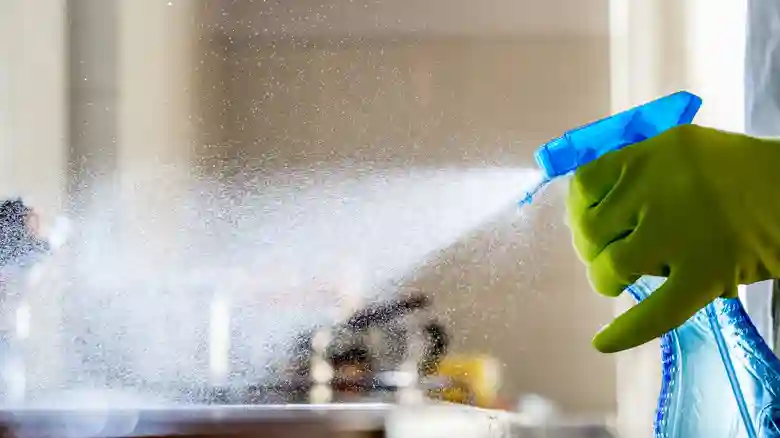
For quick disinfecting, use a diluted isopropyl alcohol spray (70% solution) instead. It kills germs without the bleach risk.
Can I Use Windex on Quartz Countertops?
Windex is not ideal. Standard Windex contains ammonia, which is too harsh for the quartz resin with repeated use. It may not cause immediate visible damage, but long-term regular use can leave a filmy residue or dull the surface.
Use a pH-neutral quartz-specific spray instead. If you want a glass-like shine on your counters, a quartz polish product delivers that without the chemical risk.
How to Remove Stubborn Stains from Quartz Countertops
Even with good habits, stains happen. Here is how to handle the most common ones.
Dried food or grease: Soak a cloth in warm water and lay it over the stain for 5–10 minutes. Then wipe with dish soap and warm water. For tough spots, use a plastic scraper gently.
Coffee or tea stains: Apply a small amount of isopropyl alcohol on a cloth. Let it sit for 30 seconds, then wipe clean. Do not scrub.
Ink or marker: Rubbing alcohol works here too. Dab, do not rub. Rinse with water after.
Hard water deposits: Use a cleaner designed for calcium buildup that is also quartz-safe. Check the label. Some limescale removers are too acidic. Alternatively, soak the area with warm water, then use a soft cloth with gentle circular pressure.
Grease near stovetop: Use a small amount of dish degreaser diluted in water. Apply, let sit briefly, wipe clean, and rinse. Do not use kitchen degreasers straight from the bottle.
The key with any stubborn stain: patience over force. Never scrub hard. Let the product do the work.
Preventing Damage and Keeping Quartz Countertops Looking New
Good cleaning habits help. Good daily habits help even more.
Use cutting boards. Quartz is scratch-resistant, but repeated knife work directly on the surface will dull it.
Use trivets or hot pads. Quartz can handle brief heat, but prolonged direct heat from pots or pans damages the resin. Always use a trivet.
Wipe up spills fast. Wine, coffee, and fruit juice can stain if left for hours.
Avoid sitting or standing on countertops. Quartz is tough but can crack under sudden point pressure, especially near edges.
Use pH-neutral cleaners. When in doubt, stick to dish soap. It is gentle and effective.
Follow these steps and your counters will look great for decades.
Conclusion
Quartz countertops are a great investment. They look beautiful, resist most stains, and do not need much upkeep. But they do need the right care. Stick to mild soap and water for daily cleaning. Avoid harsh chemicals. Handle stains quickly and gently.
Whether you are a new homeowner or updating your kitchen, these habits make the difference. If you are considering new countertops or need help caring for your existing ones, explore Quartz Countertops Services in North Lindenhurst from Prestigious Custom Cabinets. Our team helps homeowners get the most from their investment, from installation to long-term care.
FAQs
Can I use dish soap on quartz countertops every day?
Yes. Mild dish soap with warm water is safe for daily cleaning of quartz countertops.
Does quartz need to be sealed?
No. Quartz is non-porous and does not require sealing. This is a major advantage over natural stone.
Will quartz stain permanently?
Most stains can be removed if treated quickly. Leaving harsh chemicals or staining liquids for extended periods may cause permanent damage.
What is the best cleaner for quartz countertops?
For daily use: warm water and dish soap. For weekly deeper cleaning: a pH-neutral quartz surface cleaner like Weiman Quartz Cleaner.
Can you use baking soda to clean quartz?
Use it carefully. Baking soda is mildly abrasive. For light stains, it is okay occasionally. But do not scrub with it or use it regularly.
How do I make quartz countertops shine?
After cleaning, buff the surface with a dry microfiber cloth. For extra shine, use a quartz-specific polish product.