


Most homes don’t have enough storage. A well-built closet fixes that fast. Whether you’re dealing with a spare bedroom, a blank wall, or just wasted space, adding a closet can completely change how your home feels and functions.
If you want to know how to build a closet the right way, this guide covers everything: planning, tools, materials, costs, and step-by-step instructions. You’ll get real answers, not guesswork.
Understanding Closet Types
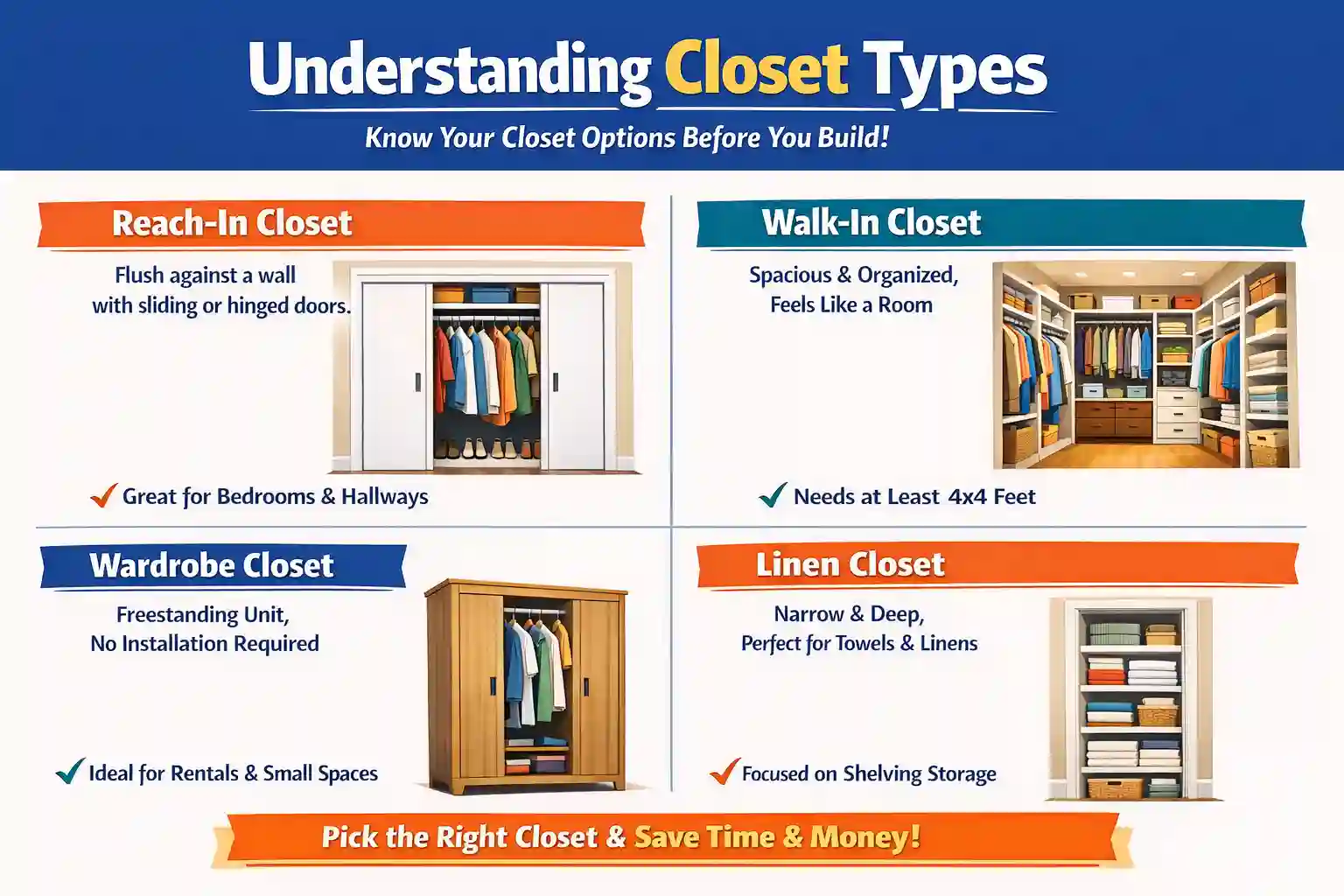
Before you pick up a single tool, know what type of closet you’re building. Each one serves a different purpose.
Reach-in closets are the most common. They sit flush against a wall with sliding or hinged doors. Great for bedrooms and hallways.
Walk-in closets need more floor space, usually at least 4×4 feet. They offer better organization and feel more like a room.
Wardrobe closets are freestanding units. No framing required. Good for rentals or rooms without built-in storage.
Linen closets are narrow and deep. Shelving is their main feature.
Knowing your type upfront saves time and money later.
Planning Your Closet Space
Good planning is half the work. Here’s what to do before building anything.
Measure twice, cut once. Get the exact height, width, and depth of your space. Most standard closets are 24 inches deep for hanging clothes and 12 inches for shelves.
Check for obstacles. Look for outlets, vents, or pipes inside the wall. Use a stud finder before you do anything else.
Draw a simple layout. You don’t need fancy software. A pencil sketch works. Mark where the hanging rod, shelves, and drawers will go.
Think about your storage needs. Do you have more folded items or hanging clothes? That decides your shelf-to-rod ratio.
Pick your door style. Bifold doors save space. Sliding doors work well in tight rooms. Hinged doors need clearance but feel more traditional.
Tools and Materials You’ll Need
Here’s a practical list for building a closet in a room:
Tools:
- Stud finder
- Level (2-foot and 4-foot)
- Tape measure
- Circular saw or miter saw
- Drill and drill bits
- Hammer
- Nail gun (optional but speeds things up)
- Pencil and square
Materials:
- 2×4 lumber (for framing)
- Drywall and joint compound
- Wood screws and nails
- Closet rods and brackets
- MDF or plywood for shelving
- Sandpaper and primer
- Paint
- Closet door of your choice
- Door hardware (hinges, handles, track if sliding)
You can buy most of this at any home improvement store. Budget items work fine for basic builds. Go with solid wood or melamine-coated MDF for shelving if you want it to last.
Step-by-Step: How to Build a Closet
Here’s how to construct a closet from scratch. This applies to a basic reach-in or walk-in build.
Step 1: Mark the Wall Layout
Use a pencil and level to mark the closet’s footprint on the floor and wall. Snap chalk lines if you want clean guides.
Step 2: Frame the Walls
Cut your 2×4 lumber to size. Build a simple frame: a bottom plate, top plate, and vertical studs every 16 inches. Secure the bottom plate to the floor with construction screws. Anchor the top plate to ceiling joists.
Add a doorway frame. Leave a rough opening about 2 inches wider and taller than your door.
Step 3: Install Drywall
Cut drywall panels to fit. Screw them into the studs. Tape the seams and apply joint compound. Let it dry fully, then sand smooth.
Step 4: Prime and Paint
Apply one coat of primer. Once dry, paint the interior walls. White or light gray keeps the space bright and clean.
Step 5: Install Shelving
Cut your shelves to length. Use a level to mark shelf heights on the wall. Locate studs and screw in shelf brackets. For a standard closet, put the top shelf at about 84 inches and lower shelves at 12-inch intervals.
Step 6: Install the Closet Rod
Mount rod brackets 12 inches from the back wall. Standard rod height for hanging full-length clothing is 66 to 70 inches. For double-hanging, place rods at 40 and 80 inches.
Step 7: Hang the Door
Follow the door manufacturer’s instructions. For bifold doors, install the track first. For hinged doors, set the hinges before you hang. Check that it opens and closes without sticking.
Step 8: Add Trim and Finishing Touches
Install door casing and baseboard molding. Caulk any gaps. Touch up paint. Add hooks, drawer pulls, or a light if needed.
That’s how to build a bedroom closet from the ground up.
You can read about: How to Build Closet Shelves
Closet Organization Tips
A well-built closet still needs smart organization.
- Group clothing by type: shirts, pants, dresses, shoes.
- Use shelf dividers to separate folded stacks.
- Add a second hanging rod if you store mostly short items.
- Use clear bins on upper shelves for out-of-season items.
- Install a simple LED strip light. It makes finding things much easier.
- Leave a few inches of breathing room on each shelf. Overstuffing damages clothes and shelves.
Common Mistakes to Avoid
These are the errors that slow projects down or cost extra money.
Skipping the stud finder. If you screw into drywall alone, shelves will fall under weight.
Not checking for level. Even a small tilt makes shelves look off and causes items to slide.
Wrong shelf depth. Shelves that are too deep waste space and make things hard to reach.
Ignoring ventilation. Closets need a little airflow to prevent musty odors. Keep the door cracked occasionally or add a small vent.
Buying cheap rods. Thin rods bow under heavy clothes. Go with a steel rod or use a center support bracket.
Rushing the drywall. The wet compound needs 24 hours to dry between coats. Rushing leads to cracks later.
Cost to Build a Closet
Here’s a rough breakdown for a basic reach-in closet:
| Item | Estimated Cost |
| Lumber (framing) | $50–$150 |
| Drywall | $40–$100 |
| Shelving materials | $60–$200 |
| Closet rod + brackets | $20–$60 |
| Door | $80–$300 |
| Paint + primer | $30–$70 |
| Hardware | $20–$50 |
| Total (DIY) | $300–$930 |
Hiring a contractor adds labor costs, typically $500 to $1,500 depending on size and complexity. Custom closets with built-ins can run $1,500 to $5,000 or more.
How Long Does It Take?
For a basic reach-in closet, plan for a weekend project. Here’s a realistic timeline:
- Day 1: Framing, drywall installation
- Day 2: Drywall finishing, priming, first coat of paint
- Day 3: Second coat, shelving, rod, door installation
If you’ve never framed before, add a day. If you’re making a custom walk-in, plan for 4 to 7 days.
Work goes faster with a second set of hands, especially for holding drywall and shelves in place.
Choosing the Right Closet System
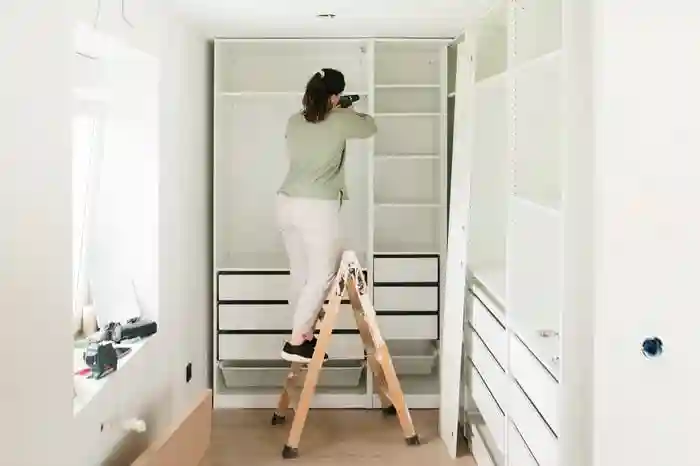
This is often an overlooked step. Before you commit to a fully framed built-in closet, consider modular closet systems. Brands like IKEA PAX, Closet Maid, and Rubbermaid offer systems that anchor into existing walls without heavy construction.
They’re a solid middle-ground between freestanding furniture and full custom builds. You get real storage without major demo work. If you rent your home, this is usually the smarter path.
When to Hire a Professional
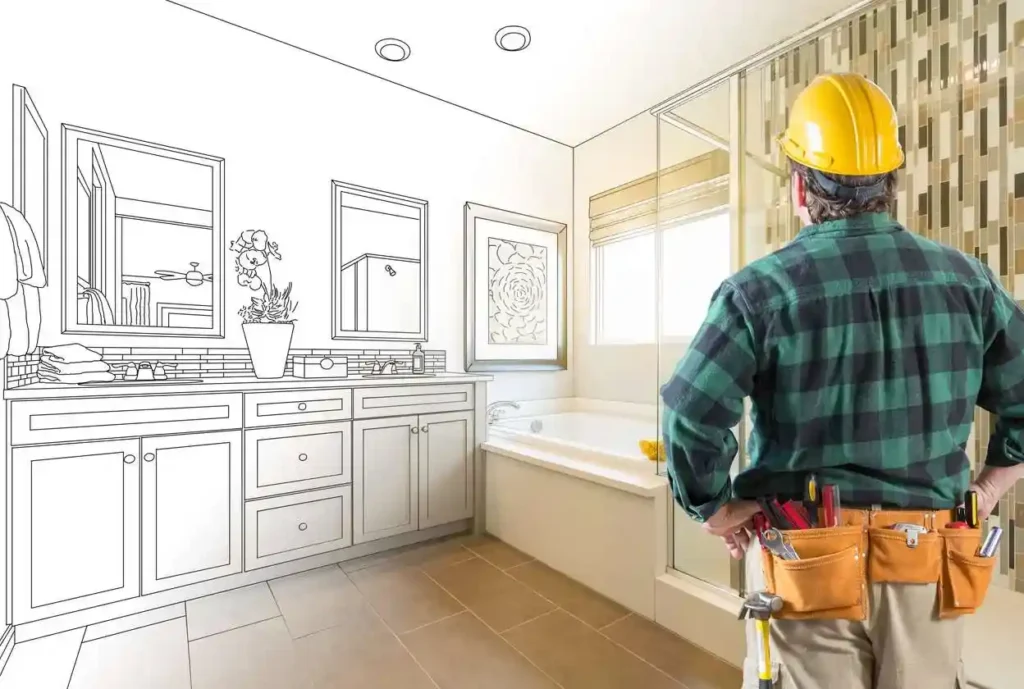
Some jobs are beyond a weekend project. If you’re dealing with load-bearing walls, complex plumbing, or electrical wiring inside the closet area, hire a licensed contractor.
If you want a truly custom setup with built-in drawers, lighting, mirrors, or premium finishes, that’s where professional cabinetry work pays off. For homeowners in the area, Custom Closets Services in North Lindenhurst by Prestigious Custom Cabinets offer fully tailored solutions built to fit your exact space and needs. From design to installation, you get quality you can count on.
Hiring a pro also makes sense when time is limited. A job that takes a homeowner a week might take a professional two days.
Conclusion
Building a closet doesn’t have to be overwhelming. With the right plan, the right tools, and a clear step-by-step process, it’s a project most homeowners can handle. Whether you’re making a closet in a spare room or going full custom, the result is worth every hour.
Start with a solid plan, measure everything carefully, and don’t rush the finishing steps. A well-built closet adds real value to your home and makes everyday life a lot easier.
FAQs
How hard is it to build a closet from scratch?
It’s a moderate difficulty. Framing and drywall require basic skills. Most homeowners can do it with patience and the right tools.
Do I need a permit to build a closet?
It depends on your location. Cosmetic interior work usually doesn’t need one. But if you’re adding electrical or moving walls, check with your local building department first.
What’s the best material for closet shelves?
Melamine-coated MDF is popular because it’s smooth, easy to clean, and affordable. Plywood is stronger and better for heavy loads.
Can I build a closet in a room without existing walls?
Yes. You frame new walls from scratch using 2×4 studs. This guide covers exactly how to do that.
How deep should a closet be?
At least 24 inches for hanging clothes. Shelves can be 12 to 16 inches deep. Walk-ins are usually 4 feet deep or more.
Can I add lighting to a DIY closet?
Yes. Battery-operated LED lights require no wiring. For hardwired fixtures, hire an electrician.