
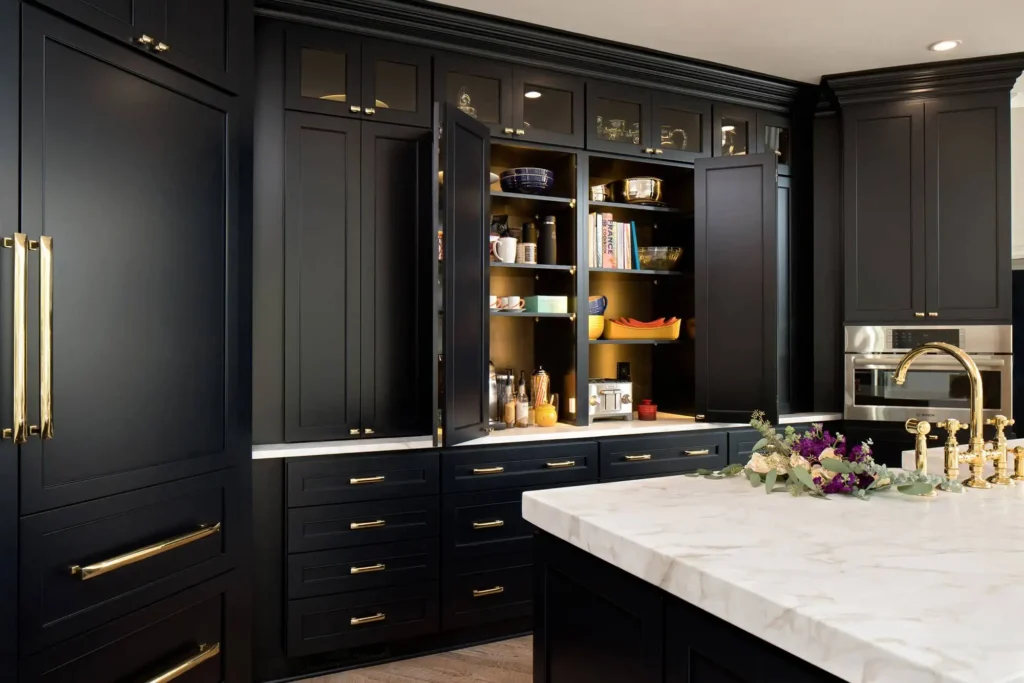
Most kitchens waste space because cabinets don’t fit right. Store-bought options come in standard sizes. They look okay, but they rarely match your exact walls, ceiling height, or storage needs. Custom cabinets fix all of that. They fit your kitchen perfectly and look exactly the way you want.
Learning how to build custom kitchen cabinets is totally doable with the right steps. You don’t need to be a carpenter. You need a clear plan, the right tools, and some patience. This guide walks you through everything from measuring to final installation.
Why Choose Custom Kitchen Cabinets?
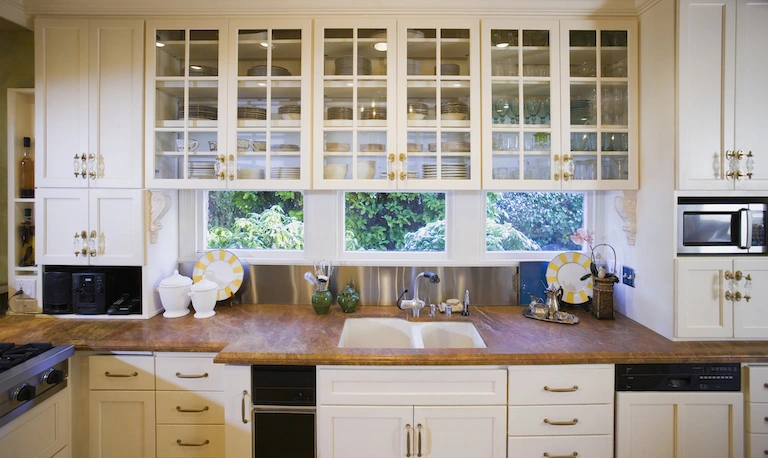
Custom cabinets cost more upfront than flat-pack ones. But they give you something no store shelf can offer a perfect fit.
Here’s why people go custom:
- Better use of space. Every inch of your kitchen gets used.
- Your style, your choice. Pick the wood, finish, and hardware you want.
- Long-lasting quality. You build it right, it lasts decades.
- Higher home value. Custom kitchens attract buyers.
Building kitchen cabinets yourself also saves labor costs. A professional cabinet installation can run $5,000–$25,000+. DIY cuts that number significantly.
Tools and Materials You’ll Need
Before you start making kitchen cabinets, gather everything. Missing a tool mid-project wastes time and money.
Tools:
- Table saw
- Miter saw
- Circular saw
- Drill and drill bits
- Pocket hole jig (Kreg jig recommended)
- Tape measure
- Level
- Clamps (at least 6)
- Nail gun or hammer
- Router (optional but helpful)
- Safety glasses and ear protection
Materials:
- Plywood (3/4 inch for boxes, 1/2 inch for backs)
- Hardwood boards (for face frames)
- Cabinet screws (1-1/4″ and 2-1/2″)
- Wood glue
- Sandpaper (80, 120, 220 grit)
- Cabinet hinges
- Drawer slides
- Handles or pulls
- Paint, stain, or finish of your choice
Pro tip: Use birch or maple plywood for cabinet boxes. It’s strong, affordable, and takes paint or stain well.
Step 1: Measure Your Kitchen Space
This is the most important step. Wrong measurements mean nothing fits.
Measure your kitchen like this:
- Wall width — Measure each wall from corner to corner.
- Wall height — Floor to ceiling in multiple spots. Floors aren’t always level.
- Obstacles — Note windows, doors, outlets, and pipes.
- Soffit depth — If you have soffits above, measure their depth too.
Write everything down. Sketch a rough floor plan. Mark where each cabinet will go.
Key measurements to know:
- Base cabinets: 34.5″ tall, 24″ deep
- Upper cabinets: 12–15″ deep, 30–42″ tall
- Space between uppers and countertop: 18 inches
Measure twice. Cut once. This saying exists for a reason.
Step 2: Design Your Cabinet Layout
Now turn your measurements into a real plan. You don’t need fancy software. Graph paper works fine. But free tools like SketchUp or IKEA’s kitchen planner help you visualize.
Think about:
- Work triangle — Sink, stove, and fridge should form a triangle for easy movement.
- Storage needs — Pots, pans, pantry items, dishes where does each go?
- Drawer vs. door — Drawers are easier to access. Plan more than you think you need.
- Cabinet sizes — Standard widths are 12″, 15″, 18″, 21″, 24″, 27″, 30″, 33″, and 36″.
Create a cut list from your design. List every piece of wood you need with exact dimensions. This becomes your blueprint.
Step 3: Cut the Cabinet Components
With your cut list ready, start cutting. A table saw gives the cleanest, most accurate cuts for plywood.
For each cabinet box, you need:
- Two side panels
- One top panel
- One bottom panel
- One back panel (1/2″ plywood)
Label each piece as you cut. Use painter’s tape and a marker. This saves confusion when assembling.
Safety first: Always use push sticks on the table saw. Keep fingers away from the blade.
Cut all pieces before assembling anything. It’s faster and more accurate.
Step 4: Assemble the Cabinet Boxes
This is where your cabinet starts to take shape. Cabinet boxes are simple rectangles. The key is keeping them square.
How to build a kitchen cabinet box:
- Apply wood glue to the edges.
- Use your pocket hole jig to drill pocket holes.
- Clamp the pieces together.
- Drive screws into pocket holes.
- Check for squares using a tape measure corner-to-corner.
- If both diagonal measurements match, it’s square.
- Let glue dry fully before moving on.
Attach the back panel last. It locks the box into square shape permanently.
Repeat for every cabinet in your plan. Base cabinets and upper cabinets follow the same process.
Step 5: Build and Attach Face Frames
Face frames are the front border of your cabinet. They give that finished, furniture-like look.
Build them from 1.5″ x 1.5″ hardwood strips. Use pocket hole joinery to connect the pieces. Sand them smooth before attaching.
To attach to the box:
- Apply wood glue to the front of the box.
- Clamp the face frame in place.
- Nail it with a finish nailer.
- Fill nail holes later with wood filler.
Make sure the face frame is flush with the box sides. Any overhang looks sloppy.
Step 6: Install Doors and Drawers
Doors and drawers are what people see every day. Take extra time here.
Cabinet Doors:
- Cut from 3/4″ plywood or solid hardwood.
- For a clean look, add a simple routed edge.
- Use soft-close hinges. They’re worth every penny.
- Hinge placement: 2–3 inches from top and bottom of door.
- Adjust hinges after hanging to make gaps even.
Drawers:
- Build drawer boxes from 1/2″ plywood.
- Use undermount or side-mount drawer slides.
- Soft-close slides work well here too.
- Attach drawer fronts last after the slides are set and level.
Take time to align everything. Gaps should be even and consistent. This is what separates a professional look from a DIY one.
Step 7: Sand, Paint, or Stain
Now comes the finish. This step changes everything. A bad finish ruins good woodwork. A great finish makes average work look outstanding.
Sanding:
- Start with 80 grit to remove rough spots.
- Move to 120 grit.
- Finish with 220 grit for a silky surface.
- Always sand in the direction of the wood grain.
- Wipe dust with a tack cloth before applying finish.
Painting:
- Use a high-quality primer first.
- Apply two thin coats of cabinet paint.
- Lightly sand between coats with 220 grit.
- Semi-gloss or satin finishes are easiest to clean.
Staining:
- Apply a pre-stain conditioner on soft woods.
- Wipe on stain with a rag.
- Let it sit for a few minutes, then wipe off the excess.
- Seal with polyurethane for protection.
Don’t rush drying time. Patience here pays off.
Step 8: Install the Cabinets
You’ve built them. Now put them in.
Upper cabinets go first. Here’s why: if you do base cabinets first, the uppers are harder to reach and you risk damaging your base work.
How to install upper cabinets:
- Find and mark wall studs with a stud finder.
- Draw a level line where the bottom of the uppers will sit.
- Build a temporary ledger board along that line. It supports the cabinet while you screw it in.
- Lift the cabinet onto the ledger.
- Drill through the cabinet’s top rail into the studs.
- Use 2.5″ screws.
- Remove the ledger when done.
How to install base cabinets:
- Start at the highest point of the floor. Use a level to find it.
- Shim cabinets as needed to keep everything level.
- Screw through the back rail into wall studs.
- Clamp adjacent cabinets together before screwing them to each other.
Check the level constantly. An unlevel cabinet means unlevel countertops and that’s a nightmare to fix later.
You can read about: How Long Does It Take to Paint Kitchen Cabinets
Common Mistakes to Avoid
Even experienced builders make these mistakes. Learn from them before they happen to you.
- Skipping the cut list. Eyeballing cuts waste materials.
- Not checking square. An out-of-square box causes problems forever.
- Rushing the finish. Drips and brush marks are hard to fix.
- Ignoring wall studs. Cabinets not anchored to studs will fall.
- Wrong hardware. Cheap hinges and slides fail fast. Buy quality once.
- Not labeling pieces. You will lose track. Always label.
- Forgetting plumbing and electrical. Know where your pipes and wires are before cutting into walls.
Cost of Building Custom Kitchen Cabinets
Building your own cabinets is cheaper than buying custom ones. But it’s not free.
Here’s a rough breakdown:
| Item | Estimated Cost |
| Plywood (full kitchen) | $400–$800 |
| Hardwood for face frames | $150–$300 |
| Hardware (hinges, slides, pulls) | $200–$500 |
| Paint/stain/finish | $100–$200 |
| Tools (if buying new) | $300–$800 |
| Total DIY Cost | $1,150–$2,600 |
Professional custom cabinets? $10,000–$30,000 for a full kitchen.
The savings are real. But you’re paying with time. A full kitchen takes most people 2–4 weekends minimum.
How Long Does It Take to Build Kitchen Cabinets?
This question comes up a lot. The honest answer depends on your skill level and kitchen size.
- Small kitchen (8–10 ft): 2–3 weekends
- Medium kitchen (10–15 ft): 3–5 weekends
- Large kitchen (15+ ft): 5–8 weekends
Plan for more time than you think. Drying time for glue and finish adds up fast.
What Wood Is Best for Kitchen Cabinets?
For cabinet boxes, use 3/4″ birch or maple plywood. It’s stable and resists warping.
For face frames and doors, these are your best options:
- Maple — Hard, smooth, takes paint beautifully.
- Cherry — Rich color, ages well, slightly more expensive.
- Oak — Strong and common. Has a visible grain that some love.
- Poplar — Affordable, great under paint, softer than maple.
Avoid MDF for anything structural. It’s fine for door panels but not for cabinet boxes.
Final Thoughts
Building your own kitchen cabinets takes work. But the result is worth it. You get quality, a custom fit, and real satisfaction knowing you built it yourself.
If you’re in New York and want help with Kitchen Cabinets Installation in Long Island, the team at Prestigious Custom Cabinets brings expert craftsmanship to every project. Whether you want to go the full DIY route or need professional hands for the installation phase, knowing your options helps you make the right call for your home.
Take your time. Follow each step. And don’t cut corners especially on hardware and finishing.

FAQs
Q: Can a beginner build kitchen cabinets?
Yes. With the right tools and a clear plan, beginners can build solid cabinets. Start with a simple base cabinet to practice before doing the full kitchen.
Q: What is the easiest wood to use for kitchen cabinets?
Birch plywood is the easiest to work with. It cuts cleanly, holds screws well, and takes paint or stain nicely.
Q: How do I make kitchen cabinets look professional?
Sand between every coat of paint. Use soft-close hardware. Make sure every gap is even. These three things alone make cabinets look high-end.
Q: Is it cheaper to build or buy kitchen cabinets?
Building is almost always cheaper. DIY costs $1,150–$2,600. Buying custom cabinets costs $10,000–$30,000 for a full kitchen.
Q: How do I create kitchen cabinets that are the right size?
Use standard dimensions as a starting point. Base cabinets: 34.5″ tall, 24″ deep. Upper cabinets: 12–15″ deep. Then adjust to fit your exact walls.
Q: What screws should I use for building kitchen cabinets?
Use 1-1/4″ screws for pocket holes inside the box. Use 2-1/2″ screws to anchor cabinets to wall studs.
Q: Do I need a face frame on every cabinet?
Not always. Frameless cabinets (Euro-style) skip the face frame. But face frames add strength and a more traditional look. Most American-style kitchens use them.