


There’s something deeply satisfying about walking into your bathroom and knowing the vanity was built with your own hands cut to your exact measurements, finished to your taste, and designed to last for decades. If you’ve been scrolling through renovation forums wondering how to build a bathroom vanity that actually fits your space and budget, you’re in the right place. This guide walks you through the entire process from planning to the final pipe connection with practical, real-world advice drawn from hands-on cabinet-making experience.
Whether you’re a confident DIYer or a first-time builder, this article covers everything you need to get it done right. And if custom cabinetry is something you’d rather have professionally crafted, Prestigious Custom Cabinets has been building and installing high-quality bathroom vanities for homeowners who want precision without the guesswork.
Step 1: Plan Your Bathroom Vanity
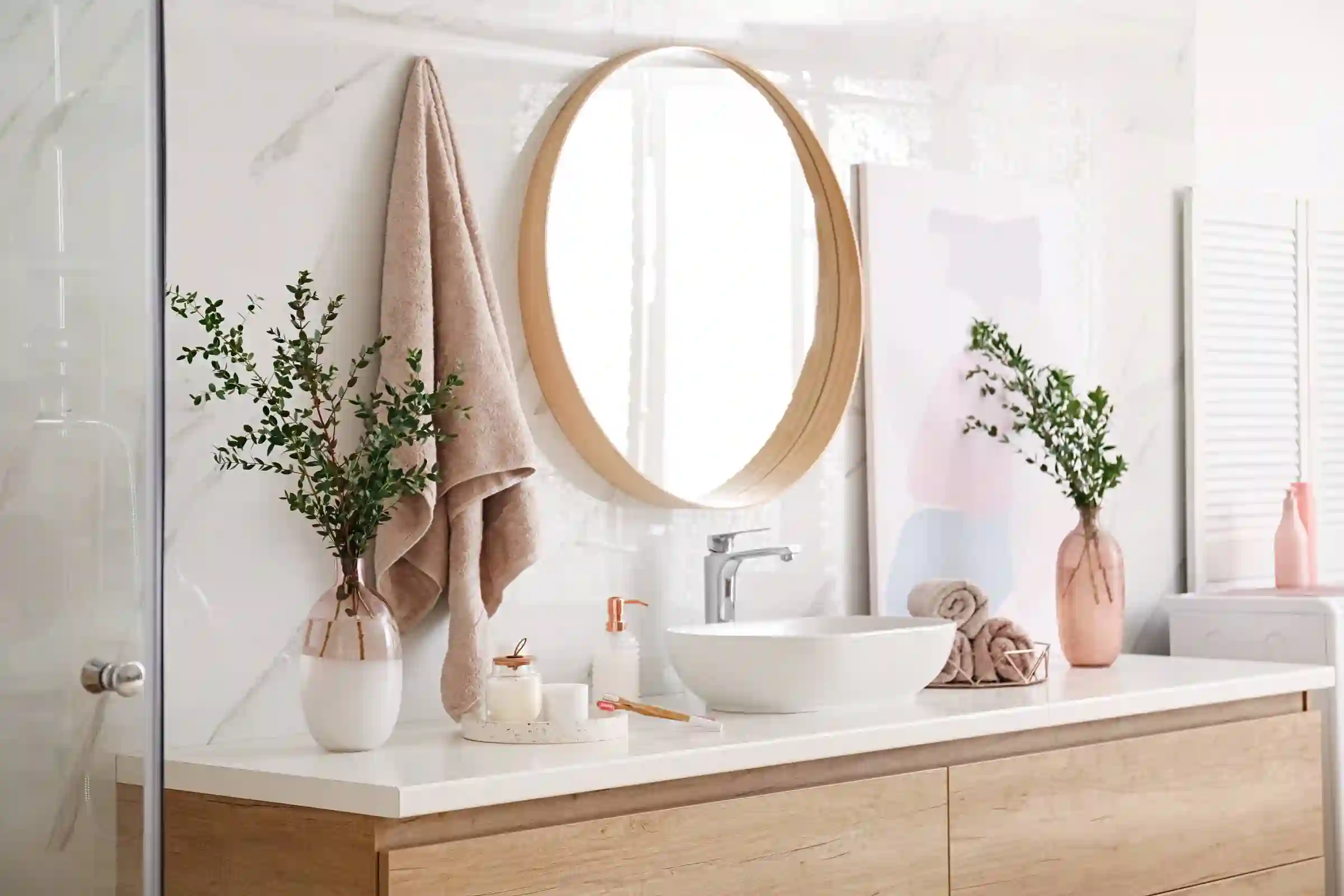
Before a single board is cut, the planning phase determines whether your build succeeds or frustrates. Measure your bathroom carefully not once, but twice. Note the distance between the wall and any obstacles like doors, toilets, or towel bars. Standard vanity heights run between 32 and 36 inches, with 34–36 inches being the modern “comfort height” preferred by most adults.
Sketch your design on paper or use free software like SketchUp. Decide on:
- Cabinet dimensions: Width, height, and depth (typically 18–21 inches deep)
- Door style: Shaker, flat-panel, or raised-panel
- Drawer configuration: One large drawer, two smaller ones, or open shelving
- Sink type: Undermount, drop-in, or vessel each affects countertop planning
Think through your plumbing layout. The P-trap and supply lines need clearance inside the cabinet. If you’re building a bathroom vanity around existing plumbing, mark those pipe locations on your plan before you build the frame. This is where a lot of DIY builds go wrong; they look perfect until the plumber arrives.
If you’re going for a custom-designed look, Prestigious Custom Cabinets offers detailed consultation for homeowners in the New York area, particularly for those interested in Bathroom Vanity Installation in Lindenhurst, NY, where professional installation ensures your build meets both code and quality standards.
Step 2: Gather Tools and Materials
Building a bathroom vanity doesn’t require a fully equipped workshop, but you do need the right tools. Working with the wrong equipment slows the job down and affects precision.
Tools you’ll need:
- Circular saw or table saw
- Pocket hole jig (Kreg jig is a popular choice)
- Power drill and bits
- Orbital sander
- Tape measure, square, and level
- Clamps (at least four)
- Router (optional, for edge profiles)
Materials checklist:
- ¾-inch plywood (birch or maple for a paint-grade finish; hardwood ply for stain)
- 1×2 or 1×3 solid wood for the face frame
- Cabinet hinges (soft-close recommended)
- Drawer slides (full-extension, 75–100 lb rating)
- Wood glue, pocket screws (1¼-inch and 2-inch)
- Sandpaper (80, 120, 180, and 220 grit)
- Primer and paint or stain and polyurethane
Buy slightly more plywood than your measurements suggest. Off-cuts are useful for test pieces, and wood can warp if left unattended in a garage. For a bathroom environment specifically, use moisture-resistant plywood or cabinet-grade MDF where possible bathrooms are humid, and standard plywood can delaminate over time.
Step 3: Build the Vanity Frame (Carcass)
The carcass is the structural box that everything else attaches to. For most single-sink vanities, this is a simple rectangular box with a toe kick at the bottom and an open top for the countertop.
Cut your panels:
- Two side panels
- One top panel (the “nailer” strip, not the countertop)
- One bottom panel
- One back panel (can be ¼-inch plywood)
Use a pocket hole jig to join the panels together. Drill pocket holes along the top and bottom edges of the side panels, then glue and screw the assembly together. Check for squares using a diagonal measurement if both diagonals match, you’re square.
The toe kick is typically set back 3 inches and stands about 3–4 inches tall. You can cut this recess into the bottom panel or build a separate toe kick frame and attach it afterward. The latter approach is more forgiving.
This is the step where accuracy matters most. A frame that’s even slightly out of square will cause every subsequent step, doors, drawers, countertop to fight you. Take your time here, and don’t skip checking with a level and square at every joint.
Step 4: Add the Face Frame
The face frame is what gives your vanity a furniture-quality look. It’s the solid wood grid that gets applied to the front of the carcass, covering the plywood edges and framing the door and drawer openings.
Cut your face frame pieces from 1×2 solid hardwood (poplar is affordable and paints beautifully). The stiles run vertically along the outer edges; the rails run horizontally between them. Use pocket screws to assemble the frame flat on your workbench before attaching it to the carcass.
Once assembled, apply wood glue to the front edges of the carcass and clamp the face frame in place. Secure with finish nails or brad nails, set the nail heads, and fill with wood filler. When sanded flush, the seam between face frame and carcass should be invisible.
One detail experienced builders swear by: cut your face frame pieces about 1/16 inch proud of the carcass, then flush-trim with a router or hand plane after the glue dries. This guarantees a perfectly flat surface and eliminates any slight mismatch.
Step 5: Install Shelves or Dividers
Most bathroom vanities benefit from at least one fixed shelf or a pair of adjustable shelves. Cut shelf panels from ¾-inch plywood, sized to fit snugly between the side panels (or between dividers if you’re building a two-door vanity).
For adjustable shelves, drill a series of shelf pin holes along the inside of the side panels using a shelf pin jig. Space the holes in 1¼-inch increments so you have plenty of flexibility. For fixed shelves, use pocket screws driven through the side panels into the shelf edge.
If your vanity includes a center stile (a vertical divider between two door openings), this gets installed now. It should align with the face frame style above it and be secured both top and bottom.
Step 6: Build and Attach Drawers (Optional)
Drawers add significant functionality but also significant complexity. If you’re making bathroom vanity drawers for the first time, start with simple box construction using ½-inch Baltic birch plywood.
Each drawer box consists of four sides and a bottom. Cut the pieces, join them with pocket screws and glue, and nail the bottom panel in from below. The drawer facing the decorative front panel gets added later, after the boxes are installed and adjusted.
Install drawer slides according to the manufacturer’s instructions, making sure each pair is perfectly level and parallel. Attach the box side of the slide to the drawer box, and the cabinet side to the interior of the carcass. Most soft-close slides have an adjustment screw that lets you fine-tune the fit after installation.
Once the boxes slide smoothly, attach the decorative drawer fronts using small bolts driven from inside the drawer box. This allows you to shift the front panel slightly until the reveal (the gap around it) is even on all sides.
Step 7: Install Cabinet Doors
Cut your door panels from ¾-inch plywood or MDF, sized so they leave a consistent 1/8-inch reveal on all sides when closed. Sand the edges smooth, then hang them using concealed cup hinges.
Cup hinges require a 35mm hole drilled into the back of the door panel; a Forstner bit in a drill press gives the cleanest result. Mount the hinge plate to the face frame, snap the hinge in, and close the door. Most cup hinges allow for three-dimensional adjustment: in/out, up/down, and side-to-side. Spend ten minutes dialing in the reveals before you call it done.
Shaker-style doors are the most popular for modern bathrooms and involve applying a solid wood frame around a flat center panel. If you prefer raised panel doors, those require a router table and more skill but the look is worth it for traditional or transitional bathroom designs.
Step 8: Sand and Finish
Finishing is where a good vanity becomes a great one or where a great build gets undermined by rushing. Sand your entire vanity systematically: start at 80 grit to remove mill marks and glue squeeze-out, move to 120, then 180, finishing with 220 before applying any finish.
Wipe down with a tack cloth between grits. Don’t skip grits; each one removes the scratches left by the previous one.
For painted vanities, apply a high-quality oil-based primer, sand lightly at 220 after it dries, then apply two coats of semi-gloss or satin cabinet paint. For a stained vanity, apply your chosen stain, wipe off the excess, let it dry fully, then apply two or three coats of oil-based polyurethane, sanding lightly between coats.
In a bathroom environment, finish quality matters more than in other rooms. Humidity, splashing, and cleaning products will test it daily.
You can read about: How to Build Kitchen Cupboards
Step 9: Install the Countertop and Sink
Countertop options include quartz, granite, butcher block, solid surface, and tile. Each has a different installation method. For undermount sinks, the countertop is typically fabricated with the sink cutout by a stone shop; this isn’t a DIY step unless you’re working with tile or butcher block.
For drop-in sinks, cut the sink opening in your countertop (if using wood or tile), drop the sink in, and secure it with the mounting clips provided. Apply a bead of silicone caulk around the sink rim for a watertight seal.
If you’re creating your own bathroom vanity with a vessel sink, no cutout is needed, just a hole for the drain. This is one of the simpler sink installations.
Secure the countertop to the vanity carcass with construction adhesive applied to the top nailer strip. For stone countertops, the weight alone often holds them, but silicone beads at the perimeter add insurance.
Step 10: Mount the Vanity
Before mounting, locate the wall studs using a stud finder and mark them lightly with pencil. Remove the baseboard in the installation area if necessary.
Set the vanity in position and check for level. Bathrooms are rarely perfectly level, shim the base as needed, checking from front to back and side to side. Once level, drive 3-inch screws through the back nailer strip and into wall studs. For heavy stone countertops, use at least four screws.
Connect the plumbing: attach the P-trap to the drain stub-out, connect the supply lines to the shutoff valves, and install the faucet if not already done. Turn the water on slowly and check every connection carefully before declaring the job complete.
Apply a thin bead of paintable caulk along the back and side edges where the vanity meets the wall. Smooth with a wet finger and let it cure overnight.
Final Thoughts
Building a bathroom vanity is one of the most rewarding DIY projects you can take on. It teaches you core cabinet-making skills, saves you money, and leaves you with something genuinely custom built to your measurements, your style, and your standards. Every step in this guide, from planning your design to mounting the finished piece, is achievable with patience and the right approach.
If at any point the project feels beyond your current skill level or if you simply want a professionally crafted result without the time investment, reach out to Prestigious Custom Cabinets. Our team specializes in custom cabinetry built to last, with installations that meet the highest standards. Contact us today to discuss your bathroom project and get a quote that reflects your vision, not a showroom compromise.
Frequently Asked Questions
How long does it take to build a bathroom vanity from scratch?
For a moderately skilled DIYer, building a bathroom vanity typically takes one to two weekends, one for building and finishing the cabinet, another for countertop installation and plumbing hookup. Finishing times vary depending on how many coats of paint or polyurethane you apply and how long each coat needs to dry.
What wood is best for building a bathroom vanity?
Poplar and maple are excellent choices for painted vanities; they’re stable, affordable, and take paint beautifully. For stained finishes, red oak, white oak, or cherry give rich, natural results. Always use moisture-resistant plywood for the carcass, especially the panels closest to the sink.
Can I design your own bathroom vanity without advanced woodworking skills?
Absolutely. The basic carcass and face frame construction requires only a circular saw, pocket hole jig, and drill. If you’re comfortable with those tools, you can design your own bathroom vanity with a clean, furniture-quality result. Drawers and inset doors add complexity starting with overlay doors if this is your first build.
How do I make a bathroom vanity the right height?
Standard vanity height is 32 inches, but most people today prefer “comfort height” at 34–36 inches. Measure the height of the people using the bathroom and aim for a countertop that sits near hip level. If you’re building for a children’s bathroom, 30–32 inches may be more practical.
Is building a bathroom vanity cheaper than buying one?
In most cases, yes especially if you want a custom size or style. A store-bought 48-inch vanity in a mid-range finish typically costs $500–$1,200. Building the same vanity yourself, using quality plywood and hardwood, often runs $200–$500 in materials, with the savings going up as size and complexity increase.
