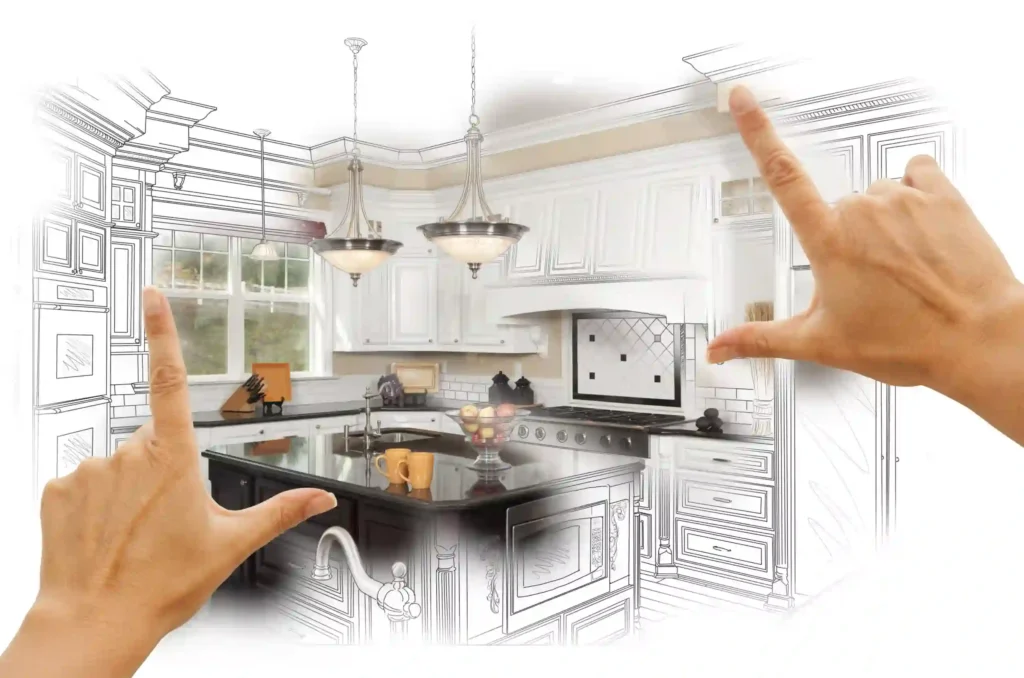
How Long Does a Kitchen Remodel Take? Full Timeline
Thinking about redoing your kitchen? Smart move. But before you pull out cabinets or call a contractor, you need to know one thing: this takes time. Most homeowners are surprised by how long the process actually runs. A small update might wrap up in a few weeks. A full gut renovation? That can stretch to four months or more. So, how long does a kitchen remodel take? The short answer: 6 to 12 weeks for most mid-range projects. But your timeline depends on your kitchen size, contractor schedule, and how fast decisions get made. Let’s break it all down. How Long Does a Kitchen Remodel Really Take? Here’s a quick reference based on project size: Project Type Estimated Timeline Minor refresh (paint, hardware, lighting) 1–2 weeks Cabinet refacing + new counters 2–4 weeks Mid-range remodel (new cabinets, appliances, flooring) 6–10 weeks Full gut renovation 10–16 weeks High-end custom remodel 4–6 months These are real-world ranges. Not best-case numbers. Delays happen. Materials get backordered. Permits take longer than expected. Plan for the high end of any range. Before Starting Your Kitchen Remodel The work doesn’t start when the demo crew shows up. It starts weeks before that. Most homeowners skip the pre-planning phase. Then they wonder why their project drags on. Here’s what needs to happen before a single wall comes down: Set a clear budget. Know your total number. Then add 15–20% for surprises. Old kitchens hide problems. Mold, bad wiring, rotted subfloor these all cost money and time. Decide what you actually want. Countertop material. Cabinet style. Appliance brand. Layout changes. The more decisions you make early, the fewer delays you hit mid-project. Get multiple contractor quotes. This takes 2–3 weeks on its own. Good contractors are booked out. If someone can start tomorrow, ask why. Order materials early. Custom cabinets can take 6–10 weeks to arrive. Some countertop slabs need to be sourced and cut. Order early. Don’t wait until the demo is done. Pull permits. In most areas, a kitchen remodel requires building permits. This can add 1–3 weeks before work begins. Pre-planning typically takes 4 to 8 weeks on its own. Factor this into your total timeline. What Factors Influence Your Kitchen Remodel Timeline? Not every kitchen takes the same amount of time. Here’s what actually moves the needle: 1. Scope of Work Replacing a faucet is a one-afternoon job. Moving a load-bearing wall is a multi-week project. The more you change, the longer it takes. Simple rule. 2. Kitchen Size A 150 sq ft kitchen installs faster than a 400 sq ft open-concept space. More square footage means more tile, more cabinets, more wiring, and more labor hours. 3. Custom vs. Stock Materials Stock cabinets ship in 1–2 weeks. Semi-custom takes 3–5 weeks. Full custom cabinets can take 8–12 weeks. If you choose custom, plan your entire project around that lead time. 4. Permit and Inspection Requirements Structural changes, electrical upgrades, and plumbing moves all require permits in most U.S. municipalities. Each inspection adds time. Miss an inspection, and work stops until it’s cleared. 5. Contractor Availability A good contractor with a full crew can move fast. One person juggling multiple projects? Expect slower progress. Ask upfront: how many crews will be on-site and how many days per week? 6. Decision Speed This one is underrated. Homeowners who take weeks to pick a tile or countertop edge profile slow everything down. Your contractor can’t order materials until you decide. Make decisions fast. Keep a list of open items and resolve them daily. 7. Hidden Conditions Old homes especially have surprises: knob-and-tube wiring, asbestos tile, out-of-plumb walls. Any hidden condition adds time and cost. Perception vs. Reality: What to Really Expect Here’s what most remodeling guides won’t tell you. Perception: “My contractor said 8 weeks.” Reality: Expect 10–14 weeks when you include delays, inspections, and touch-ups. Perception: “I’ll just live out of one room during the remodel.” Reality: A full kitchen demo means no sink, no stove, and constant dust for weeks. Set up a temporary kitchen. Get a microwave and a mini-fridge. Budget for more takeout than you think. Perception: “Delays only happen to people who didn’t plan.” Reality: Supply chain hiccups, weather delays, and subcontractor scheduling gaps happen to everyone. Even well-planned projects hit bumps. The homeowners who handle remodels best are the ones who planned for reality, not the best-case scenario. How Should You Plan and Design Your Kitchen Remodel? Good design upfront saves weeks on the back end. Here’s how to do it right. Hire a kitchen designer or work with a design-build firm. They catch layout problems before the demo. They know lead times. They coordinate materials. The cost is worth it. Use 3D renderings. Most designers offer this. Seeing your kitchen before it’s built helps you make faster, more confident decisions. Changes on paper cost nothing. Changes mid-construction cost a lot. Create a selection binder. One document. Every material, product, and finish chosen. Vendor. SKU number. Order date. Delivery date. Review it weekly. Build a project schedule. Work backward from your target move-in date. Block out when each trade needs to be on-site. Electrician before drywall. Plumber before tile. Countertop template after lower cabinets are installed. Communicate constantly. Daily check-ins with your contractor reduce surprises. Walk the space every morning. Ask questions. You can read about: How to Build Kitchen Cupboards What Are the Main Phases of a Kitchen Remodel Construction? Understanding how long to remodel a kitchen means understanding each phase. Here’s how it typically flows: Phase 1: Demo (1–3 Days) Old cabinets, countertops, flooring, and sometimes walls come out. Fast and messy. Often reveals surprises. Phase 2: Rough-In Work (1–2 Weeks) Electrical, plumbing, and HVAC get moved or upgraded. This phase depends on how much you’re changing. Moving the sink across the room? That’s more time. Keeping plumbing in place? Faster. Phase 3: Inspections (2–5 Days, Sometimes Longer) After rough-in, inspectors come in to sign off on electrical and plumbing. Schedule this as early as possible. Some